

Imagine a world where your morning alarm is not the harsh chime of a smartphone, but the gentle lap of the ocean against a steel hull. You stir in your cabin, the sunlight dancing in ripples across the ceiling, and realize that the reef you’ll be exploring in twenty minutes is directly beneath your feet. There is no van to catch, no heavy gear to lug across a hot parking lot, and no crowded pier to navigate.
This is the essence of the liveaboard lifestyle: a rhythmic, immersive journey that turns a standard scuba diving trip into a seamless narrative of discovery. For many, it is the pinnacle of the sport. For others, it’s a question of whether they are ready to trade the shore for the horizon. As we begin our “Liveaboard Life Bible” series, let’s peel back the curtain on what it truly means to live, breathe, and dive from a floating home.
The Poetry of “Eat, Sleep, Dive”
In the world of travel, we often talk about “getting away from it all.” A liveaboard actually does it. When you step onto the deck, the rest of the world begins to smudge at the edges until it disappears entirely. You are left with a simple, beautiful mantra: Eat, Sleep, Dive.
The schedule on a vessel is structured around the tides and the light. You wake for a “dawn patrol” dive, descending into the blue while the marine world is just beginning its morning shift. You return to the smell of fresh coffee and a cooked-to-order breakfast. You off-gas on a sun-drenched deck, perhaps napping or chatting with new friends, until the bell rings for the next briefing.
This cycle repeats three, four, or even five times a day, including the bewitching hour of the night dive. It is a measured, contemplative pace where time slows down. You aren’t rushing to beat the traffic; you are drifting with the current. The convenience of having your gear permanently set up on the dive deck: where your tank is filled in its station and your wetsuit hangs ready: removes every layer of friction between you and the water.

Whispers of the Remote: Reaching the Untouched
Why do we choose to live on a boat for a week or more? Because the ocean hides its best secrets in places the day-trippers cannot reach. While land-based resorts offer beautiful house reefs, a liveaboard is your golden ticket to the “pristine.”
When you venture to locations like Tubbataha in the Philippines, you are visiting a place that is literally inaccessible by any other means. These are the mid-ocean atolls and deep-sea sea mounts where the big pelagics roam. Because the boat travels while you sleep or dine, you wake up in a new “neighborhood” every day.
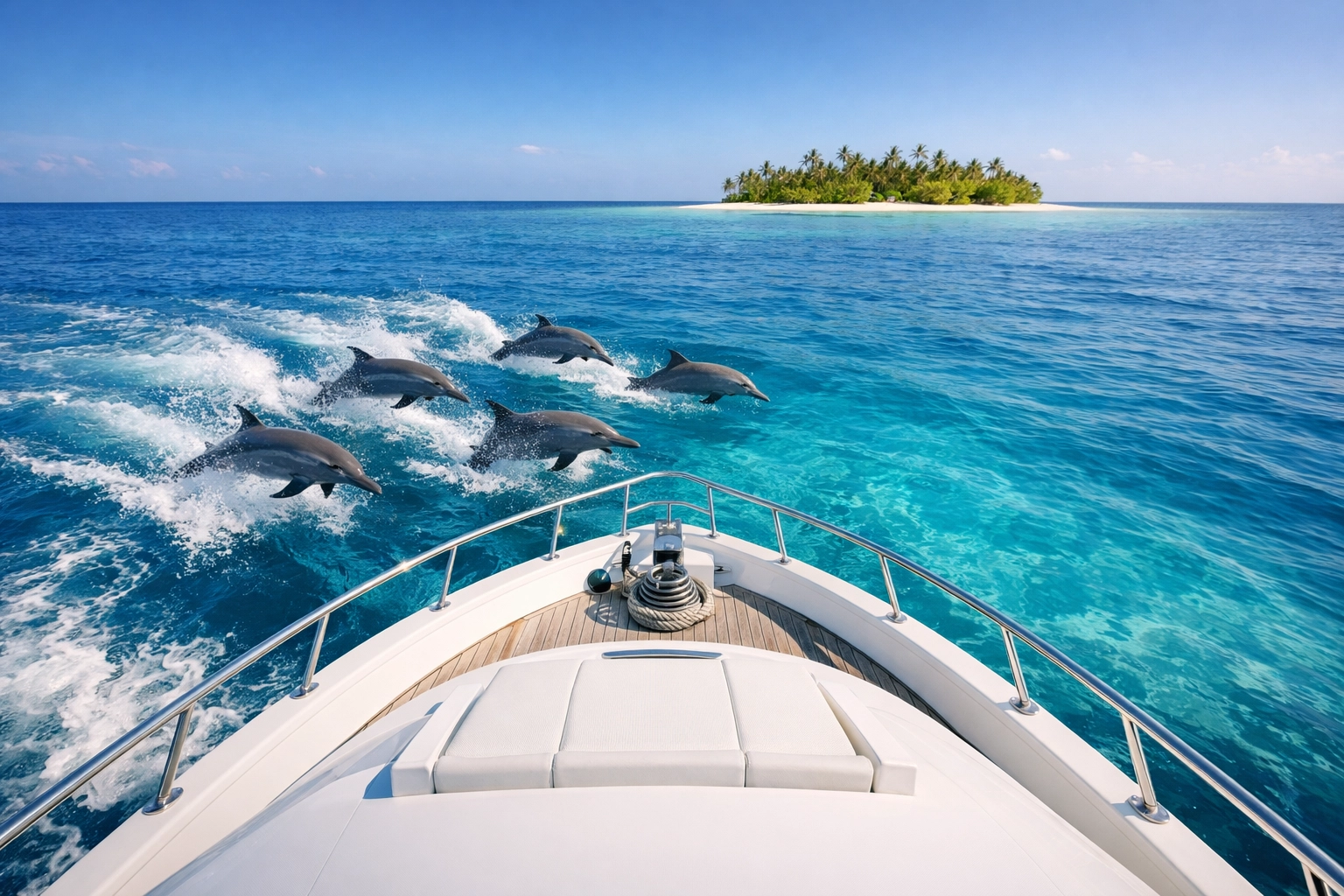
You might find yourself at the bow of the ship, watching dolphins play in the wake, as you transit toward Raja Ampat or Palau. These are the moments where you realize the value of the vessel. It isn’t just a hotel; it’s a nomadic sanctuary that brings you to the front of the line. You are often the first: and only: group at a dive site, experiencing the reef in its most natural, undisturbed state.
The Logistics of Grace
One of the most surprising benefits of a liveaboard journey is the mental lightness that comes with it. As a travel concierge, I often see clients stressed by the “logistics” of a scuba diving trip: the gear transfers, the boat schedules, the meal searches.
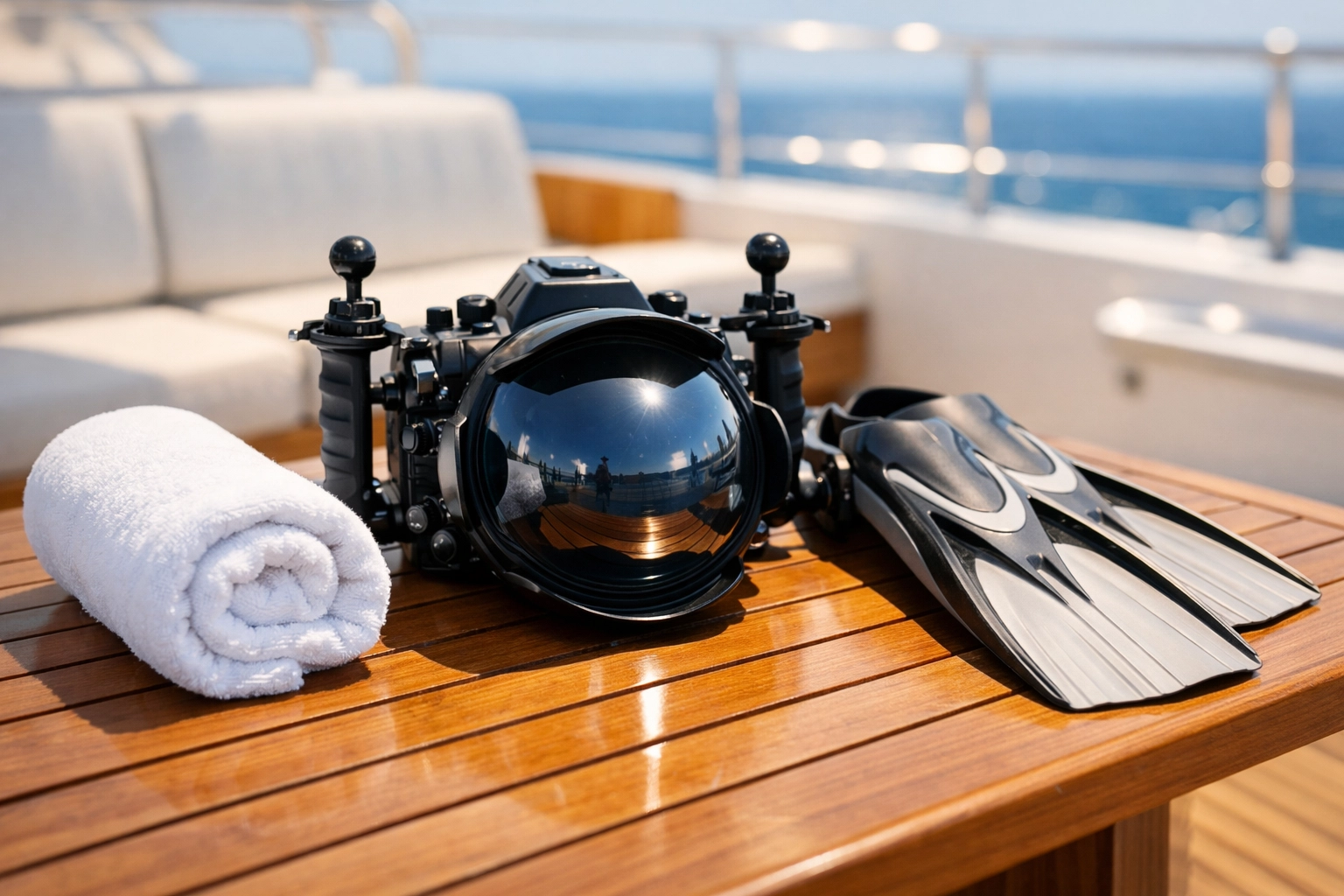
On a liveaboard, the logistics are handled with a quiet grace. Your gear stays put. Your camera has its own dedicated table with air hoses and charging stations. Even the complexities of modern travel: like managing lithium batteries and navigating stricter baggage rules: feel more manageable when you know that once you arrive, you won’t have to touch a suitcase again for ten days.
The staff on these vessels are often the unsung heroes of the experience. They know how you take your coffee, they help you into your fins, and they have a warm towel waiting the second you climb back onto the dive platform. It is a level of service that feels personal because it is. You aren’t just a room number; you are part of the ship’s family for the duration of the voyage.
The Shared Silence of the Deep
There is a unique social alchemy that happens on a dive boat. You are sequestered with a small group of people: usually between 8 and 20: who share your specific, nerdy passion for the underwater world.
The conversations over dinner aren’t about work or politics; they are about the way the light hit the pygmy seahorse or the incredible “whoosh” of a bait ball moving in unison. You’ll find that friendships form quickly in the shared silence of a safety stop or the collective awe of a sunset on the top deck.
For solo travelers, this is perhaps the most welcoming way to see the world. You are never truly alone unless you want to be. And for groups, it’s an opportunity to bond in a way that a sprawling resort simply doesn’t allow. The intimacy of the space fosters a community where everyone looks out for one another, underwater and above.
Is the Liveaboard Life for You?
While the call of the sea is strong, it’s important to ask if this style of travel aligns with your personal rhythm. A liveaboard is a commitment to the ocean. If you are someone who enjoys long hikes, exploring local towns every evening, or having a wide variety of “dry” activities, you might find the confines of a boat a bit limiting.
Consider the following “Soul Search” questions:
- Do you have sea legs? Modern stabilizers are incredible, but you are still on the water. If you are prone to severe motion sickness, we should look into specific hull designs (like catamarans) or stick to land-based luxury.
- Are you okay with “Boat Brain”? This is the wonderful (but real) phenomenon where your only responsibility is diving. If you need to be “plugged in” to work 24/7, satellite internet on a boat can be a test of patience.
- How much diving is “too much”? On a liveaboard, the value is in the volume. If you only want to dive once a day, you might feel like you’re missing out on the core experience.
Why Seek the Hidden?
Ultimately, choosing a liveaboard is about a willingness to linger. It’s for the diver who wants to see the reef change from the golden hour of dawn to the ink-black shadows of night. It’s for the traveler who finds peace in the horizon and adventure in the unknown.
At Java Travel USA, we specialize in matching the right person to the right deck. Whether you’re looking for the ultra-luxe, teak-decked schooners of Indonesia or the high-tech, explorer-class vessels of the Red Sea, the choice is about more than just a cabin: it’s about the story you want to tell when you return.
In the next part of our “Liveaboard Life Bible,” we’ll be diving into the numbers. We’ll decode the price tags of 2026 and 2027 expeditions, helping you figure out where to splurge for luxury and where you can find incredible value without sacrificing the “Eat, Sleep, Dive” dream.
Are you ready to trade your shoes for fins? The water is waiting, and the boat is about to pull up the anchor.

 Java Travel USA
Leave a comment