

Planning a culinary adventure in Japan? You’re about to embark on one of the world’s most extraordinary food journeys, where every meal becomes a story and every bite connects you to centuries of tradition. From the sizzling street food stalls of Osaka to the reverent silence of a sushi master’s counter in Tokyo, Japan offers flavors that will redefine your understanding of what food can be.
Whether you’re a seasoned foodie or simply someone who travels to eat, Japan delivers experiences that go far beyond what you’ll find in Japanese restaurants back home. This isn’t just about trying new dishes: it’s about understanding a culture where cooking is considered an art form and eating is a mindful practice.
The Essential Japanese Food Experience: Where Tradition Meets Perfection
Sushi: An Art Form on Your Plate
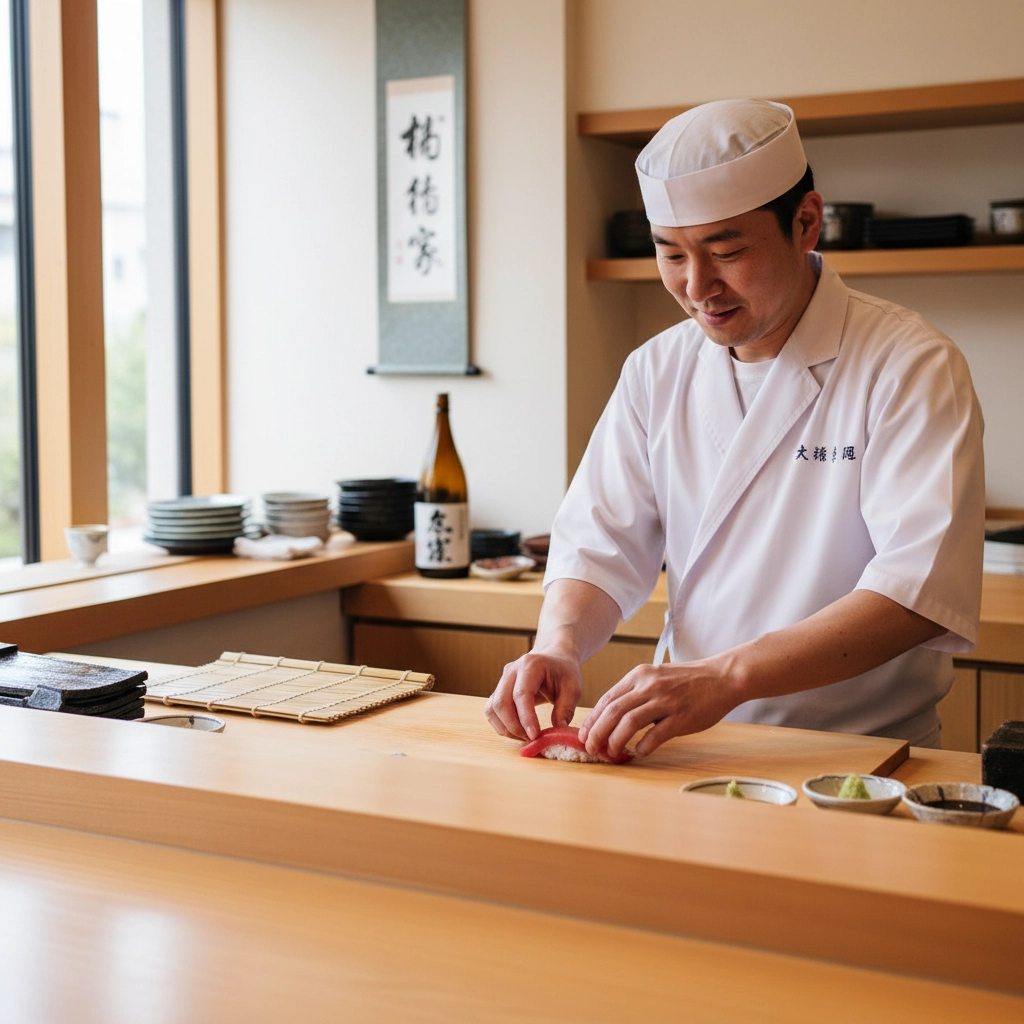
Real sushi in Japan is a revelation. The rice, seasoned with aged vinegar and served at body temperature, creates the perfect foundation for fish so fresh it practically melts on your tongue. At Tokyo’s legendary Tsukiji Outer Market, watch master chefs slice through ruby-red tuna with knives passed down through generations. The wasabi: freshly grated on sharkskin: delivers a clean heat that clears your sinuses without overwhelming the delicate fish.
For the ultimate experience, book an omakase at a small sushi counter where the chef selects each piece based on the day’s best catch. You’ll taste seasonal specialties like sweet uni (sea urchin) that tastes like the ocean’s butter, or kohada (gizzard shad) cured to perfection with just the right amount of salt and vinegar.
Ramen: Regional Soul Food in Every Slurp
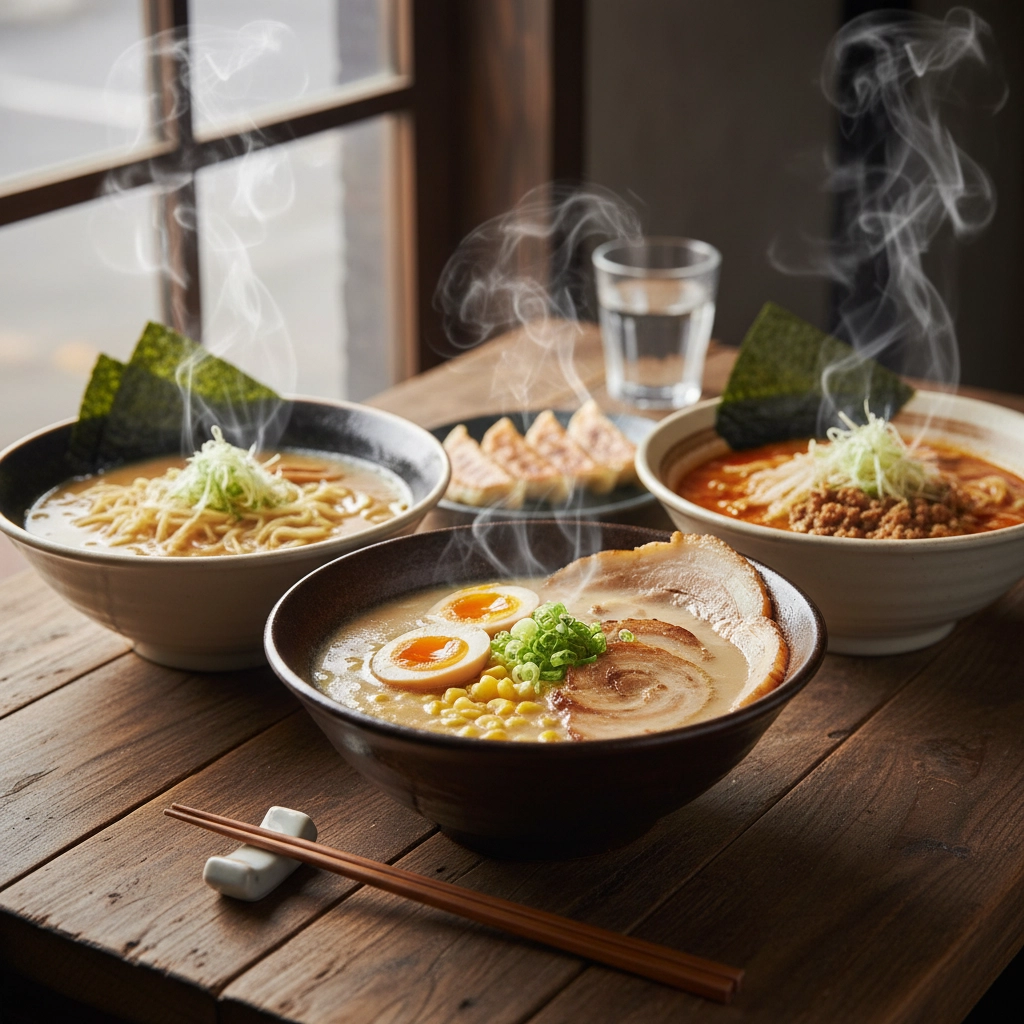
Forget everything you think you know about ramen. In Japan, this isn’t college dorm food: it’s regional soul food with countless variations that tell the story of each prefecture. In Fukuoka, thick tonkotsu broth simmers for 20 hours until it reaches a creamy, almost cheese-like richness that coats perfectly chewy noodles. The aromatic steam carries hints of pork bone marrow and garlic oil that hits you before the first spoonful reaches your lips.
Head to Sapporo for miso ramen topped with sweet corn and butter, or try Tokyo’s clear shoyu broth that lets the wheat noodles shine. Each bowl arrives with its own ritual: the satisfying slurp that aerates the broth, the careful mix of toppings, the race against time before noodles lose their perfect texture.
Regional Treasures: Flavors That Define Each Prefecture
Osaka: Japan’s Kitchen Comes Alive
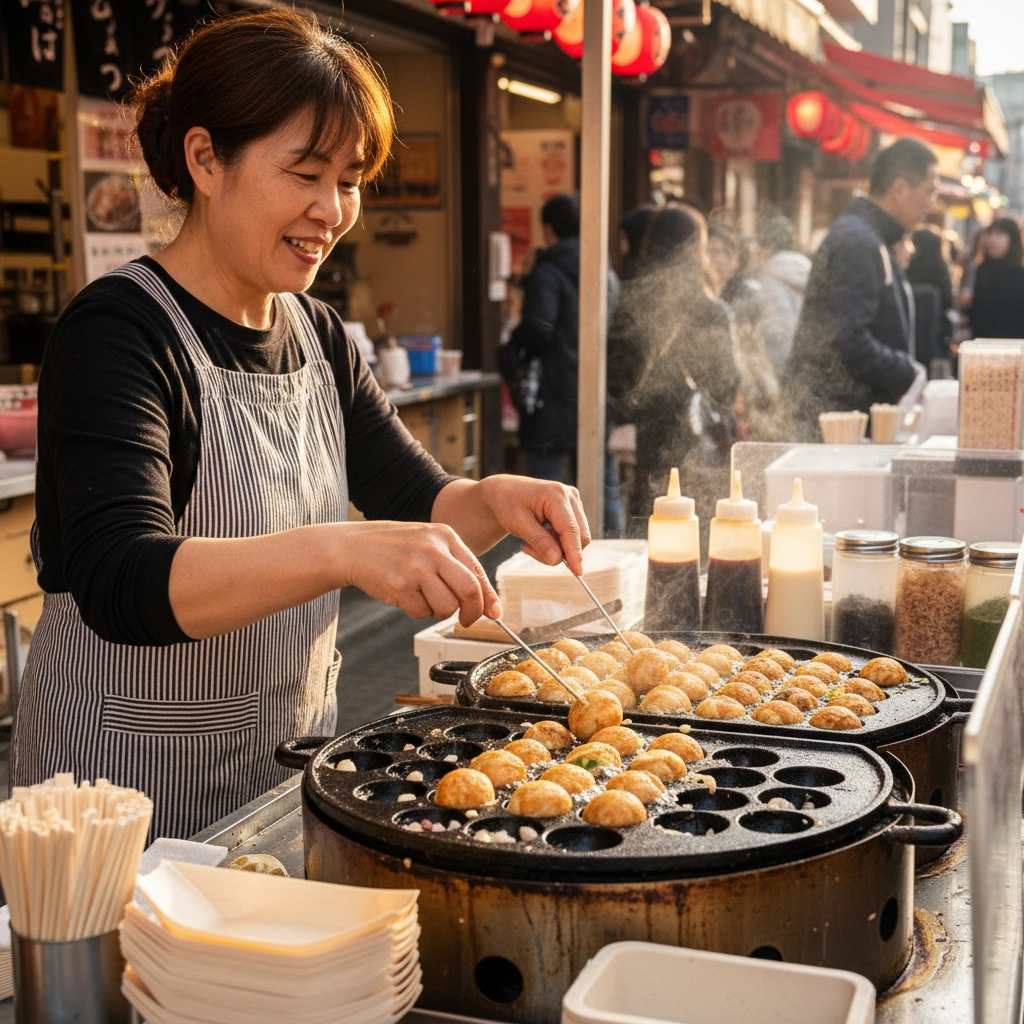
Osaka earned its title as “Japan’s kitchen” through dishes that prioritize fun alongside flavor. Takoyaki: those golden orbs of octopus-filled batter: cook on specialized griddles while street vendors flip them with lightning-fast precision. The contrast between the crispy exterior and molten interior creates textural magic, enhanced by tangy sauce, creamy mayo, and bonito flakes that dance in the rising heat.
Okonomiyaki takes this playful approach further. Watch as the cook builds layers on a hot griddle: savory pancake batter mixed with shredded cabbage, your choice of proteins, then topped with a complex sauce that balances sweet, salty, and umami in perfect harmony. The sizzle and aroma create an irresistible sensory experience.
Kyoto: Refined Elegance in Every Bite
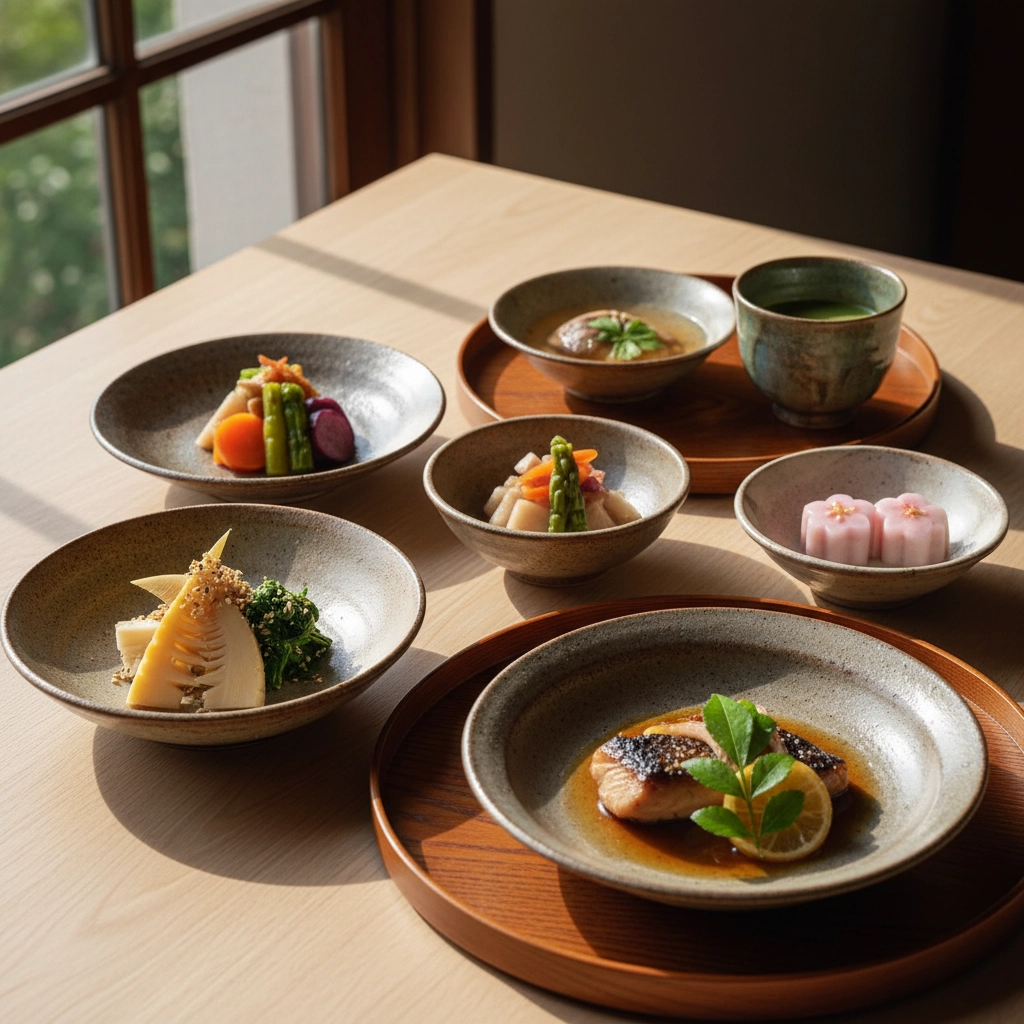
Kyoto’s food culture reflects the city’s spiritual heritage through kaiseki dining: multi-course meals that celebrate seasonality with almost religious devotion. Each dish arrives as a small artwork, featuring ingredients at their peak: spring bamboo shoots so tender they dissolve on your tongue, autumn persimmons that taste like concentrated sunshine, winter crab that requires no seasoning beyond its natural sweetness.
The presentation alone tells stories: cherry blossoms carved from daikon radish, soup bowls chosen to complement the season, portions sized to leave you satisfied but not overwhelmed. This is mindful eating at its highest form.
Hidden Gems: Where Locals Really Eat
Depachika: Department Store Food Heaven
Japan’s department store basements (depachika) represent one of the country’s best-kept culinary secrets. These underground food halls rival any gourmet market worldwide, offering everything from perfectly marbled wagyu beef to delicate wagashi sweets that look too beautiful to eat.
Sample stations let you taste before buying, while prepared food sections offer restaurant-quality meals for takeaway prices. Try chirashi bowls topped with jewel-like sashimi, or grab a bento box where each compartment contains a different perfectly prepared dish.
Konbini Culture: Convenience Store Surprises
Japan’s convenience stores (konbini) elevate quick meals to an art form. The onigiri section alone deserves its own food tour: rice triangles wrapped in crispy seaweed, filled with everything from classic salmon to innovative combinations like mentaiko (spicy cod roe) or tuna mayonnaise.
Hot food counters serve karaage (Japanese fried chicken) with a crunch that puts most restaurant versions to shame, while seasonal items like corn soup from vending machines provide warming comfort during winter months.
Immersive Food Experiences: Beyond the Tourist Trail
Street Food Alleys and Yakitori Adventures
Tokyo’s Omoide Yokocho (Memory Lane) transports you to post-war Japan through narrow alleys packed with tiny yakitori stands. Sit elbow-to-elbow with salarymen unwinding after work, watching skilled grill masters cook chicken parts you never knew existed over charcoal that imparts subtle smokiness to each bite.
Order negima (chicken and scallion) for the classic experience, but don’t miss adventurous options like chicken hearts or liver that convert even hesitant eaters with their perfect seasoning and texture.
Hands-On Cooking Classes: Learn the Secrets
Private cooking classes unlock techniques that transform simple ingredients into memorable dishes. Learn to make perfect gyoza with pleated edges that create just the right ratio of crispy bottom to tender top. Master the art of dashi: the foundational stock that underlies most Japanese cooking: by understanding how kombu kelp and bonito flakes create umami depth.
These classes often include market tours where guides explain seasonal ingredients and cooking philosophy, giving context that makes every subsequent meal more meaningful.
Seasonal Specialties: Timing Your Food Adventure
Spring: Cherry Blossom Flavors
Spring brings sakura-mochi (cherry blossom rice cakes) with their delicate floral notes, and bamboo shoots so tender they need minimal preparation to showcase their subtle earthiness. Hanami season means outdoor eating under blooming trees: a perfect time for elaborate bento boxes and seasonal sweets.
Summer: Cooling Traditions
Beat the heat with kakigori (shaved ice) topped with housemade syrups, or try hiyashi chuka: cold ramen served with colorful toppings that provide refreshing contrast to humid summer days. Unagi (grilled eel) becomes especially popular during summer’s peak, believed to provide stamina during the hottest months.
Autumn: Harvest Abundance
Fall brings matsutake mushrooms with their distinctive pine-like aroma, and sweet potatoes roasted by street vendors whose calls echo through neighborhood streets. Persimmons reach peak sweetness, while autumn leaves inspire artistic food presentations throughout the country.
Winter: Warming Comfort
Nabe (hot pot) season arrives with communal dining that brings people together around simmering broths. Oden: a comforting stew of various ingredients in savory dashi: appears at every convenience store, while hot sweet potato vendors become neighborhood fixtures.
Unlocking Exclusive Food Experiences
Working with a knowledgeable travel concierge opens doors to food experiences that independent travelers rarely discover. Private access to renowned restaurants with month-long waiting lists, behind-the-scenes kitchen tours at Michelin-starred establishments, and connections to local food artisans who rarely accept foreign visitors.
Expert guides can arrange sake tastings at family-run breweries, private tea ceremonies with master practitioners, or early morning access to fish markets before tourist crowds arrive. These exclusive experiences transform a good food trip into an unforgettable culinary journey.
Planning Your Japanese Food Adventure
The key to maximizing your culinary adventure lies in understanding that Japanese food culture extends far beyond restaurants. It encompasses convenience stores that serve better food than many countries’ restaurants, department store basements that rival world-class food halls, and street food scenes that operate on entirely different schedules than typical tourist attractions.
Consider regional specialties when planning your itinerary: Hokkaido for the freshest seafood and dairy, Kansai for street food culture, and Tokyo for the full spectrum from budget-friendly chain restaurants to world-renowned fine dining. Each region offers distinct flavors and food traditions worth exploring.
Ready to taste your way through Japan? At Java Travel USA, we specialize in creating food-focused itineraries that connect you with authentic culinary experiences most visitors never discover. From securing reservations at exclusive restaurants to arranging private cooking classes with local masters, we’ll design your perfect Japanese food adventure.
Contact us today to start planning your flavor-packed journey through Japan: where every meal becomes a memory and every bite tells a story of tradition, innovation, and pure deliciousness.

 Java Travel USA
Leave a reply to Visit Japan Series: Your Ultimate Travel Companion – Java Travel Cancel reply