
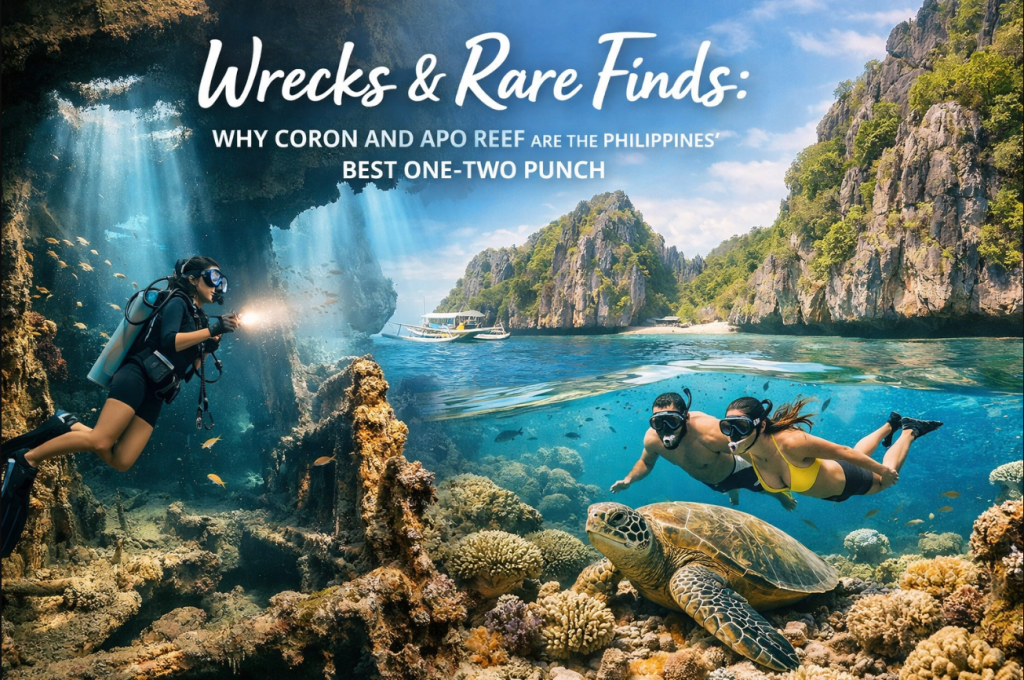
There is a specific kind of silence that only exists inside the belly of a sunken ship. It’s a heavy, rhythmic quiet, broken only by the sound of your own regulator and the occasional clink of a bolt snap against a rusted bulkhead. In Coron, Palawan, this silence is everywhere. But just a few hours away across the Mindoro Strait, the atmosphere shifts from the somber, steel echoes of the past to a neon-colored explosion of life at Apo Reef.
For the “Pressure Junkies” among us, those who live for the thrill of a deep penetration and the quiet hunt for a microscopic nudibranch, the combination of Coron and Apo Reef is the ultimate underwater “one-two punch.” It’s a journey through the “haunted” rust of WWII history and the pristine, vibrant walls of one of the world’s greatest coral systems.
At Java Travel USA, we know that getting to these remote corners of the Philippines isn’t exactly a walk in the park. But then again, if it were easy, everyone would do it. Here is why this expedition should be at the top of your 2026 bucket list.
The Ghost Fleet of Coron: Where History Holds Its Breath
On September 24, 1944, a fleet of Japanese supply ships and warships thought they had found a safe haven in the turquoise limestone bays of Coron. They were wrong. A massive US Navy carrier strike found them, and in a matter of minutes, a dozen giants were sent to the seafloor.
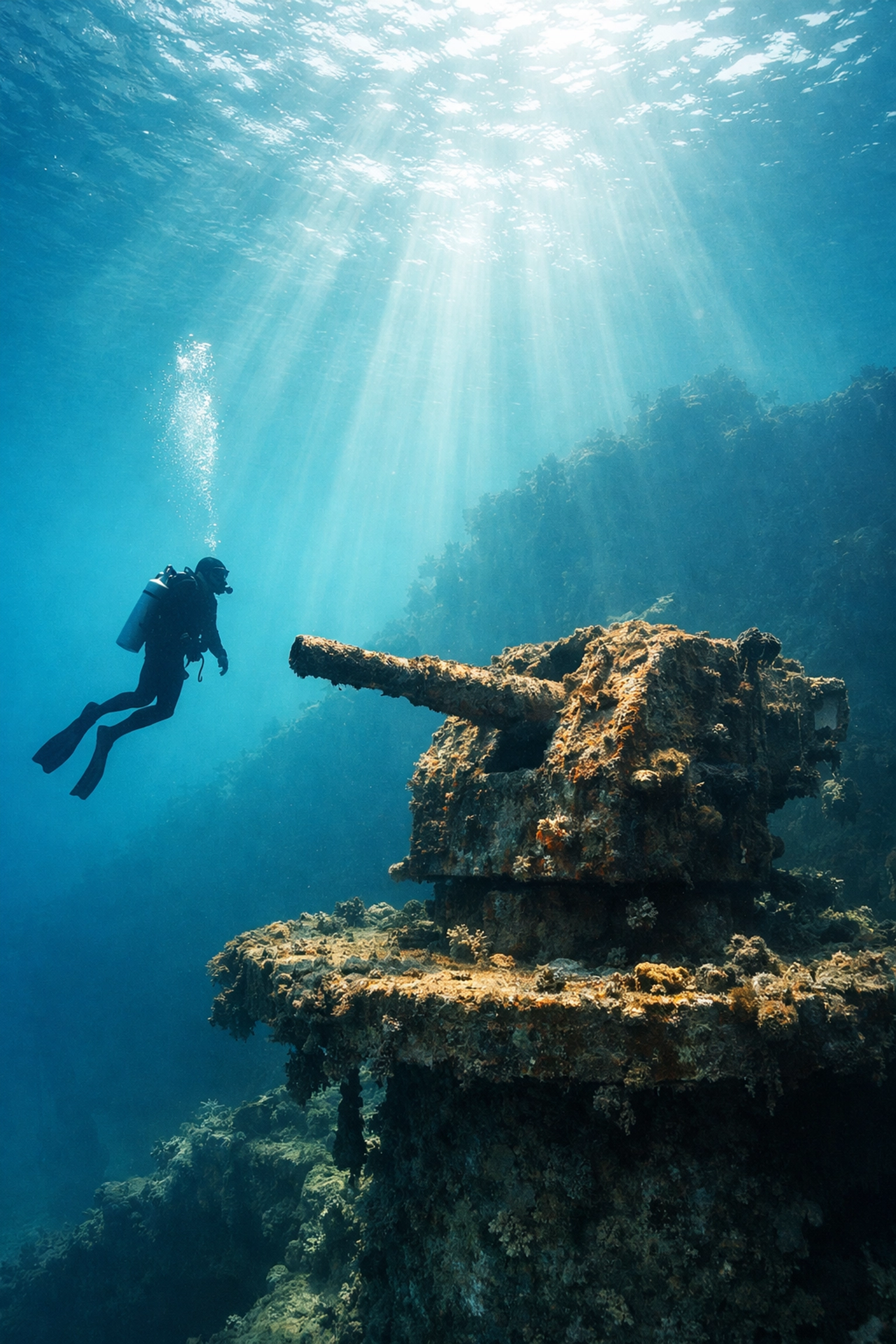
Today, these ships serve as a cathedral for wreck enthusiasts. Unlike many wreck sites where you’re looking at a pile of unrecognizable debris, the Coron wrecks are remarkably intact.
Take the Irako, for instance. Often cited as the best wreck dive in the Philippines, this 147-meter refrigeration ship sits almost upright. Descending into its holds feels like stepping back in time. You’ll glide past giant boilers and transmission shafts, the beams of your dive light cutting through the cathedral-like darkness. It’s eerie, beautiful, and deeply humbling.
Then there’s the Akitsushima, a seaplane tender that took a direct hit and now lies on its side. The massive crane used to hoist seaplanes still rests on the seabed, a skeletal arm reaching out through the silt. As you explore the jagged metal and dark corners, you’ll notice that nature has begun its slow reclamation. Purple sea whip corals and black corals drape over the gun turrets like lace, and schools of lionfish stand guard in the engine rooms.
The Shifting Focus: From Heavy Metal to Macro Magic
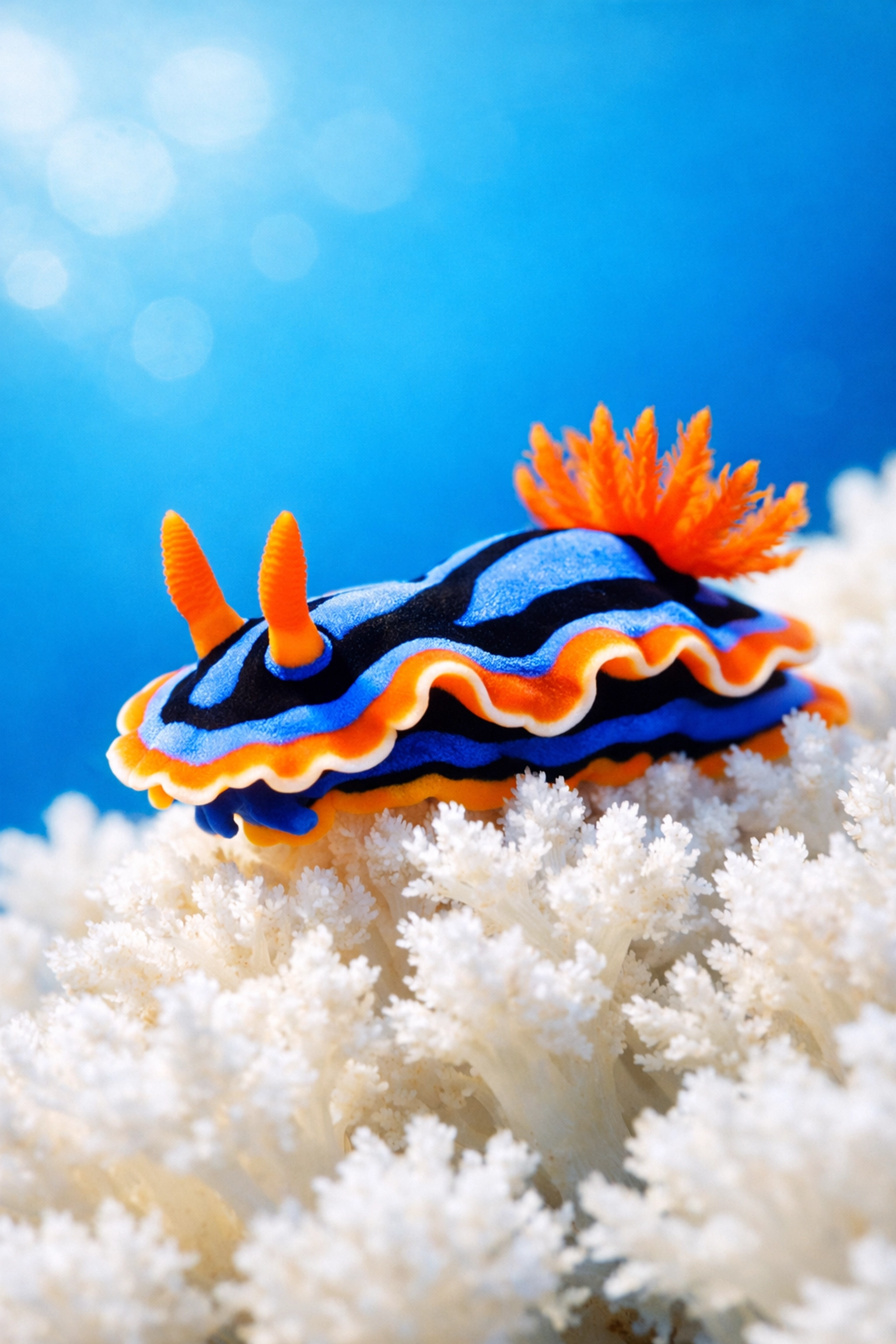
While the wrecks are the main event in Coron, the area also offers a surprising amount of “macro” treasure for those with a keen eye. Between the shipwrecks, the silty bottoms are home to flamboyant cuttlefish, ornate ghost pipefish, and a dizzying array of nudibranchs.
However, if you really want to scratch that biodiversity itch, you have to head north to Apo Reef.
If Coron is a museum of steel, Apo Reef is a gallery of living art. As the world’s second-largest contiguous coral reef, it is a protected sanctuary that feels utterly untouched by time. Here, the visibility often exceeds 30 meters, revealing vertical walls that drop off into a deep, sapphire blue.
While your eyes might first be drawn to the “big stuff”, the reef sharks, schooling jacks, and the occasional hammerhead, Apo Reef is a macro photographer’s fever dream. The reef flats are carpeted in pristine hard and soft corals, hiding pygmy seahorses so small they look like a grain of rice, and colorful flatworms that dance across the reef like discarded silk ribbons. It is the perfect antidote to the dark, enclosed spaces of the Coron wrecks.
Why the One-Two Punch Works
Most divers choose one or the other, but the real magic happens when you combine them. It’s about the contrast.
- The Sensory Shift: One day you are squeezing through a narrow companionway in the Okikawa Maru, surrounded by the scent of old oil and the texture of cold iron. The next, you are drifting along a sun-drenched wall at Apo Reef, watching the light play off the scales of a thousand tiny fusiliers.
- The Skill Progression: Coron tests your buoyancy and your nerves. It requires focus and precision. Apo Reef allows you to exhale, to open up your field of vision, and to appreciate the sheer scale of the Coral Triangle’s biodiversity.
- The Complete Story: You get the best of the Philippines in one go. You aren’t just seeing “fish”, you’re seeing history, geology, and biology intertwined.
If you’re still deciding where to head this year, check out our guide on where to dive in 2026 for more inspiration.
The Logistics: How We Make the Remote Feel Reachable
Let’s be honest: reaching Coron and Apo Reef involves a lot of moving parts. There are internal flights through Manila or Cebu, ferry transfers, and the challenge of finding a boat that actually knows how to navigate the Mindoro Strait safely.
This is where Java Travel USA steps in. We specialize in the “complex.” For our Pressure Junkies, we don’t just book a hotel; we curate an expedition.
- Private Boat Charters: The best way to see both sites is via a private or high-end liveaboard. We work with operators who understand that divers want maximum bottom time and minimum crowds.
- Luxury Stays: After a day of “rust-hunting,” you shouldn’t have to rough it. We bridge the gap between rugged adventure and luxury comfort, ensuring you have a plush bed and a world-class meal waiting for you back on land.
- Seamless Transit: We handle the “boring” stuff. From ensuring your gear doesn’t get stuck in transit to managing the often-confusing local permits, we make sure the only thing you have to worry about is your air consumption.
Speaking of logistics, don’t let a simple oversight at the airport ruin your journey. Take a look at these 5 TSA mistakes that could ruin your trip before you start packing your regulators.
Preparing for the Expedition
Diving the Philippines in 2026 requires a bit of foresight. The secret is out, and these “lesser-known” spots are becoming the new favorites for those looking to escape the crowds of the Red Sea or the Caribbean. While the Red Sea remains a classic, and you can read why Egypt is making a grand return in 2026, the Philippines offers a raw, frontier energy that is hard to match.
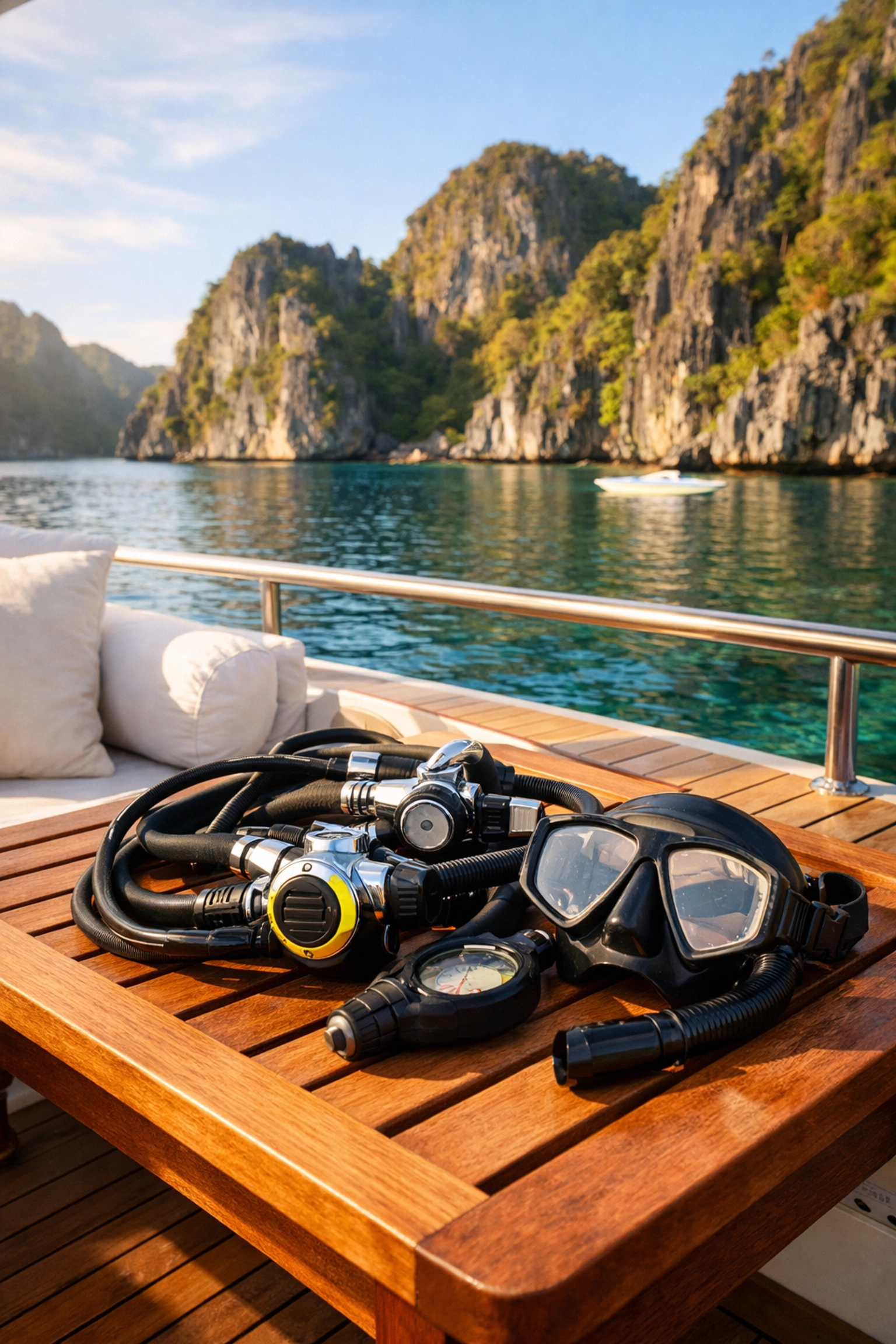
When packing for a wreck-and-reef combo, versatility is key. You’ll want a sturdy primary light for the ship interiors and perhaps a secondary “warm” light for those macro shots at Apo Reef. If you’re feeling overwhelmed by the gear list, our ultimate packing checklist is a great place to start.
The Java Travel Difference
We know that for a “Pressure Junkie,” a vacation isn’t just a break, it’s an investment in an experience. You’re looking for that moment when the world above the surface disappears and you are fully immersed in the extraordinary.
Whether it’s the haunting silhouette of the Akitsushima looming out of the green water or the tiny, pulsing heart of a nudibranch on a coral leaf, Coron and Apo Reef deliver those moments in spades.
Ready to stop dreaming and start descending? Let Java Travel USA handle the details. We’ve been scouting these waters, building relationships with the best local guides, and ensuring that your 2026 expedition is as seamless as a perfect safety stop.
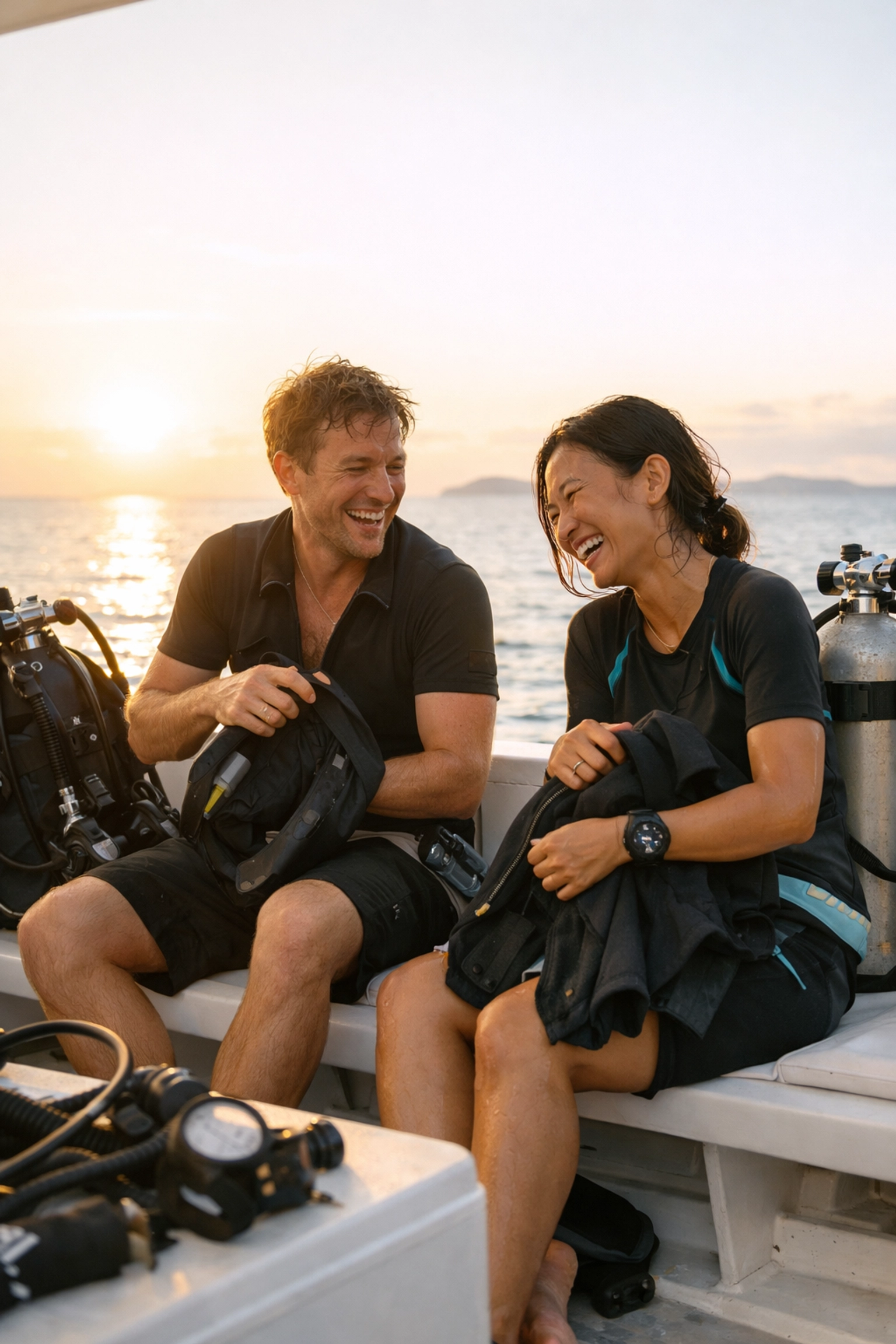
The wrecks are waiting, and the reef is calling. Why settle for one when you can have the best of both worlds? Reach out to us today, and let’s get you underwater.

 Java Travel USA
Leave a comment