
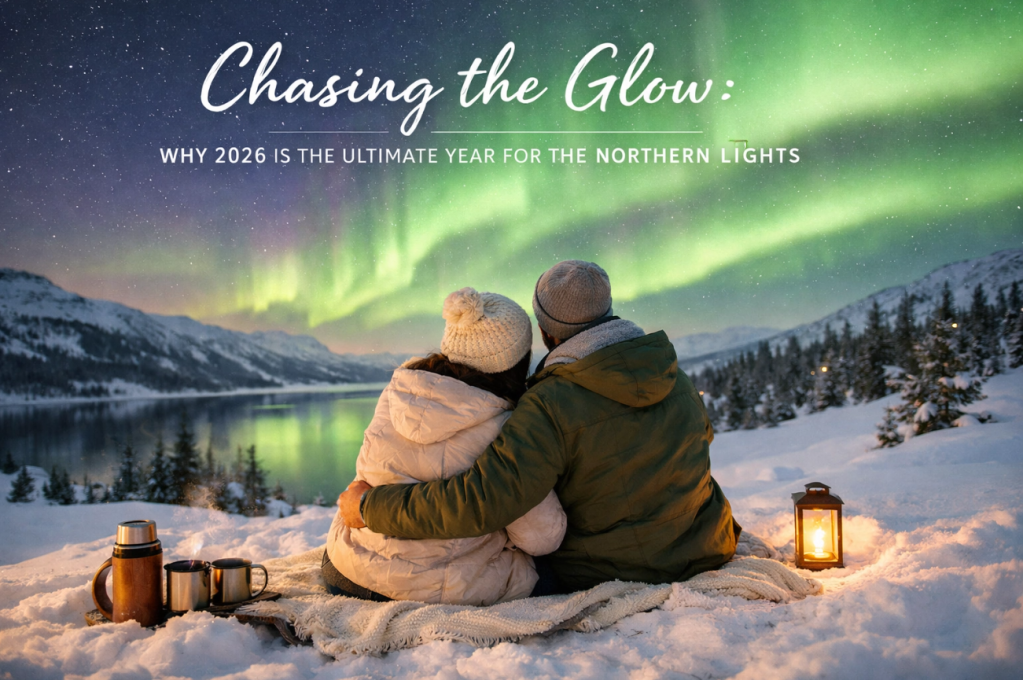
There are moments in travel that rewrite your understanding of beauty, when the ordinary rules of light and color simply don’t apply anymore. The Northern Lights are one of those moments. And here’s the thing: 2026 might be your last real shot to see them at their absolute best for over a decade.
The sun is putting on a show right now, and if you’ve been thinking about adding the aurora borealis to your bucket list, this is your year. Not next year. Not “someday.” This year.
Why the Sky is Cooperating Right Now
The sun operates on an 11-year cycle, and we’re currently riding the wave of what scientists call Solar Cycle 25. The peak, called solar maximum, happened around 2024 and 2025, but here’s where it gets interesting: the years immediately after solar maximum are often the most spectacular for aurora chasers. The sun is still turbulent, still throwing off intense solar storms, and those storms are what supercharge the Northern Lights into the vivid, dancing ribbons that stretch across the night sky.
After 2026, solar activity begins its slow decline. Aurora displays will grow weaker, less frequent, and far less dramatic. The next peak won’t arrive until the mid-2030s. So if you’ve been waiting for the “perfect time,” this is it. The sky is literally glowing brighter, and the window is closing.
Where the Magic Happens
Iceland: Fire, Ice, and Electric Skies
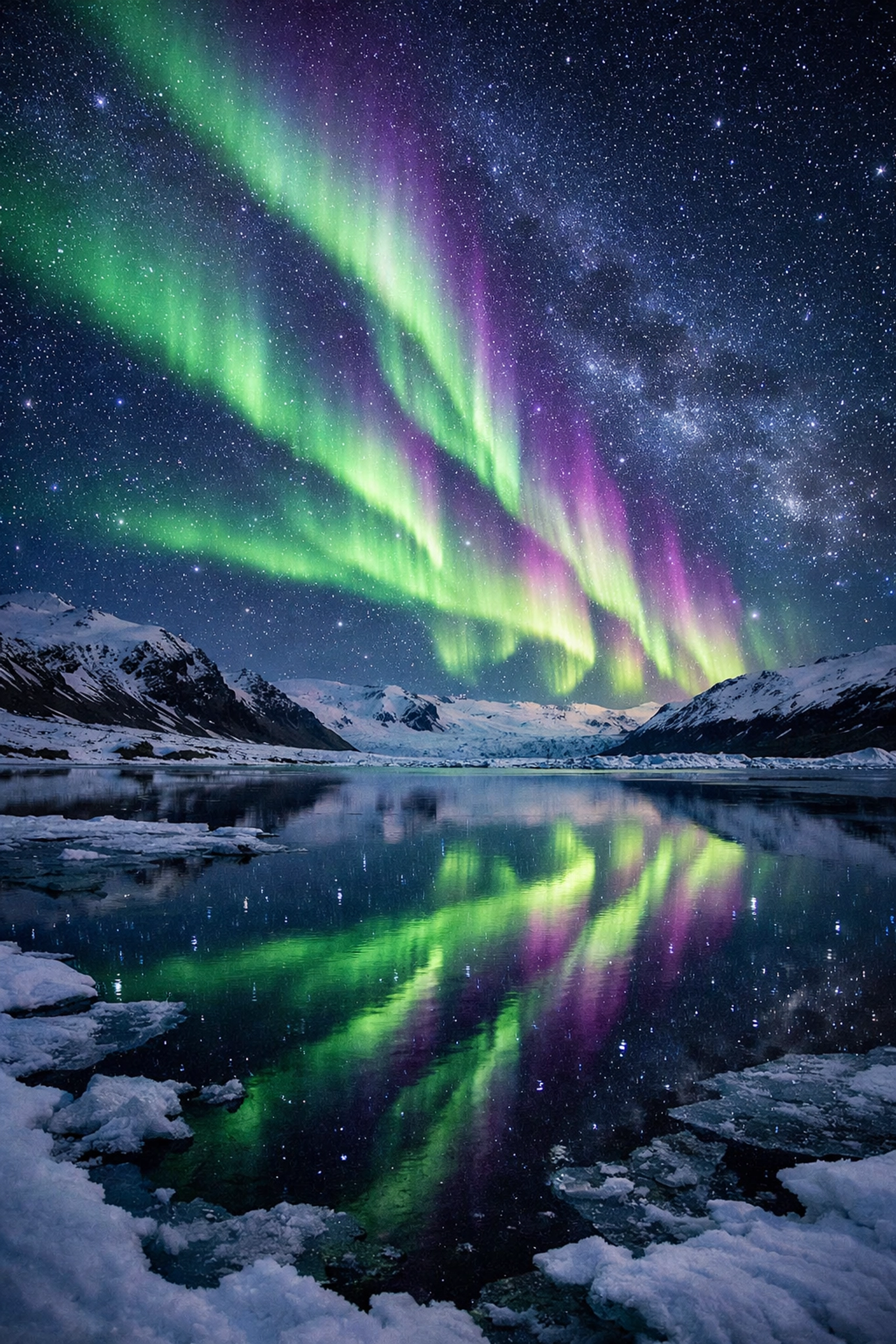
Iceland feels like another planet, volcanic black sand beaches, steaming geothermal pools, glaciers that glow blue in the afternoon light. And at night? The aurora dances above it all like nature’s own light show. The entire country sits just below the Arctic Circle, which means you can chase the Northern Lights without venturing into extreme cold or isolation.
Stay in Reykjavik and take evening tours into the countryside, or push further into the remote Westfjords where light pollution is virtually nonexistent. You’ll find yourself standing under skies so dark that the Milky Way looks three-dimensional, and then, there it is. Green, sometimes purple, sometimes red, rippling overhead like silk in the wind.
Norway: The Land of Glass Igloos and Midnight Sun
Northern Norway, particularly around Tromsø, has earned its reputation as one of the best aurora-viewing spots on Earth. The combination of favorable weather patterns and a unique microclimate means clearer skies more often than other Arctic regions. Tromsø sits well above the Arctic Circle, so during winter, the sun doesn’t rise at all, perfect for aurora hunting.
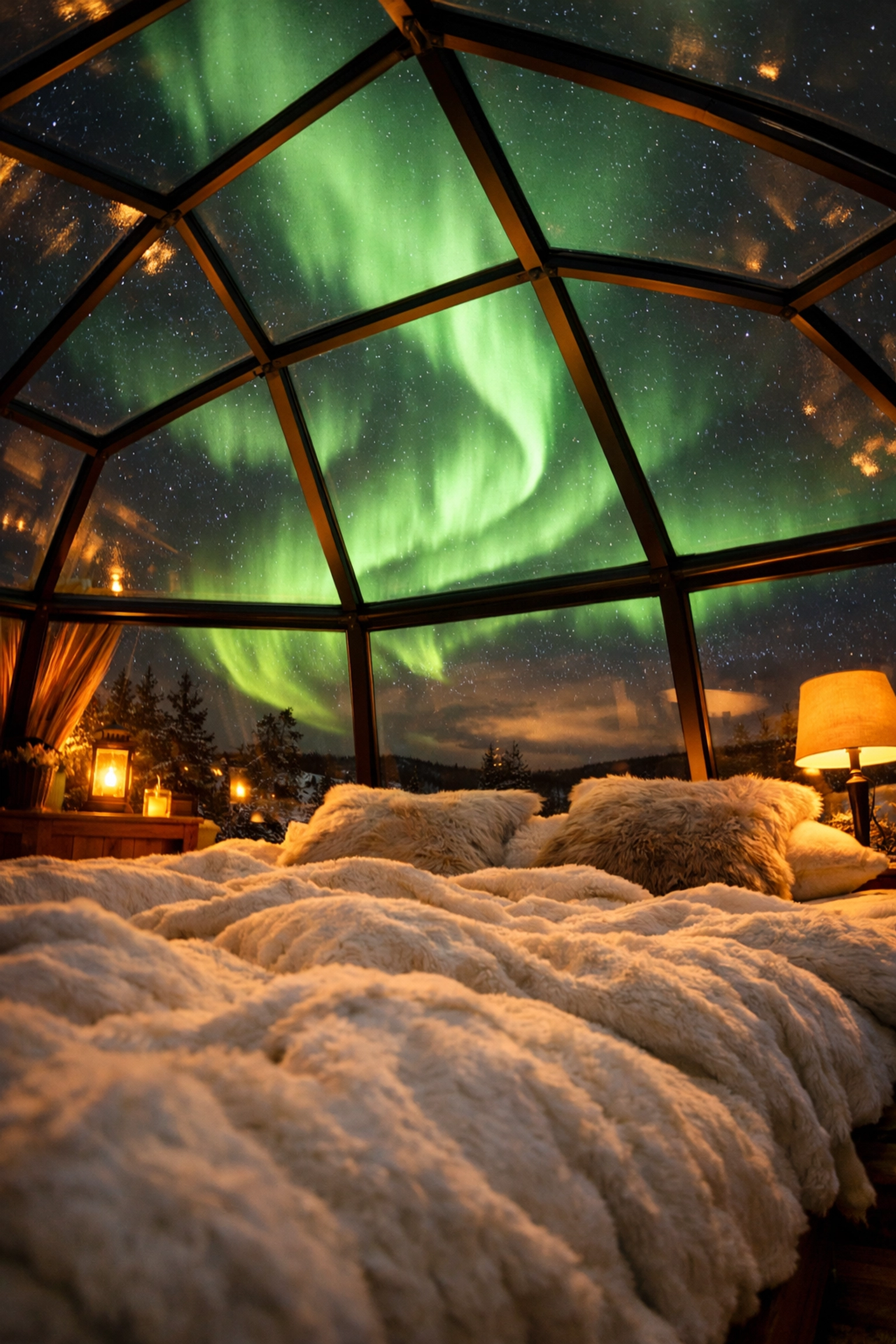
But here’s where Norway really shines: the accommodations. Glass igloos and aurora cabins with transparent ceilings let you watch the lights from the warmth of your bed. Imagine this, you’re cozy under thick blankets, a fire crackling nearby, and above you, the sky is performing. No need to brave the cold for hours. Just look up.
Lapland: Where Winter Feels Like a Fairy Tale
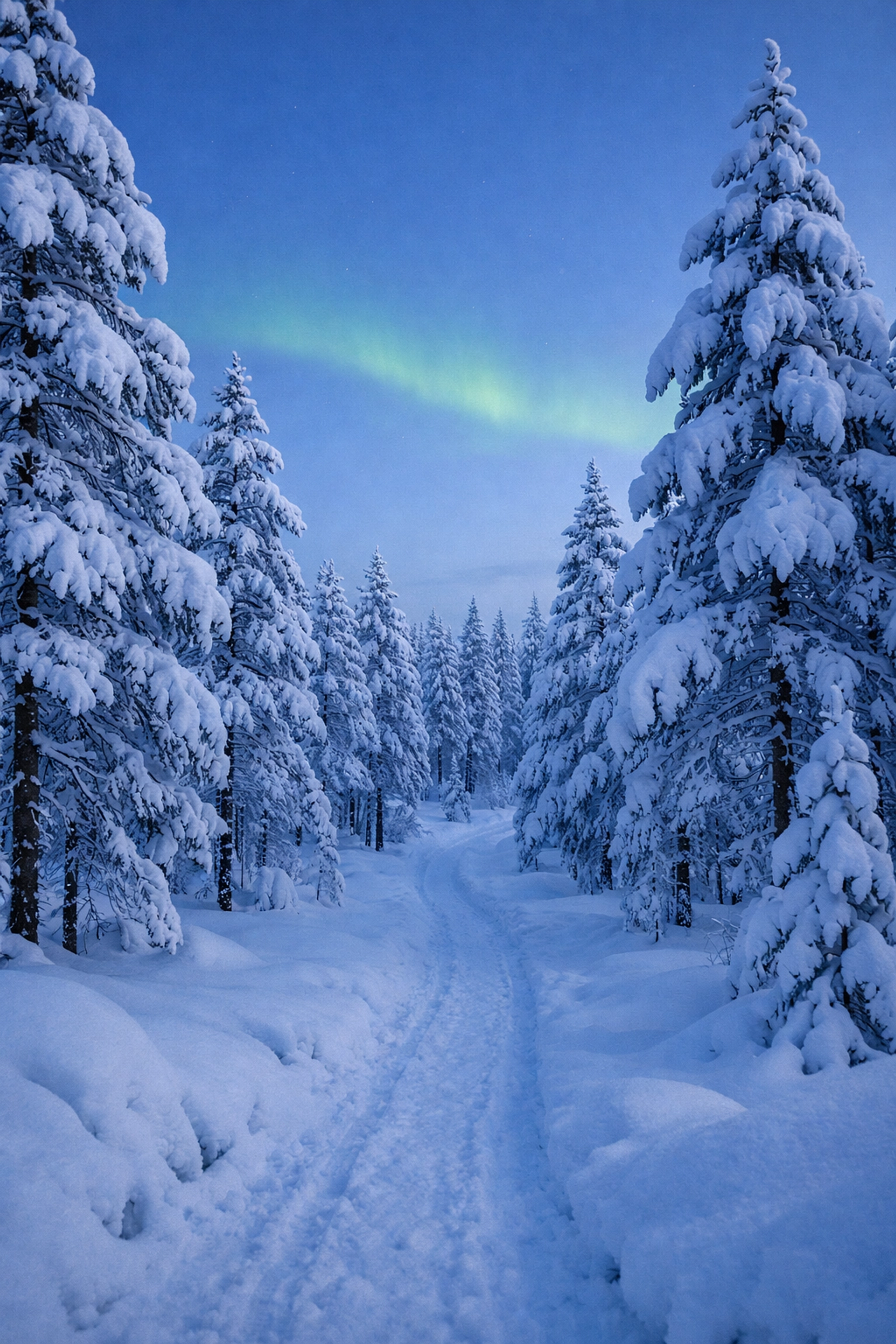
Lapland, the northern reaches of Finland and Sweden, is where winter doesn’t just happen, it enchants. Snow-covered forests, reindeer sleigh rides, traditional Sami culture, and some of the most reliable aurora viewing on the planet. Abisko in Swedish Lapland is famous for its “blue hole,” a microclimate that produces clearer skies even when surrounding areas are clouded over.
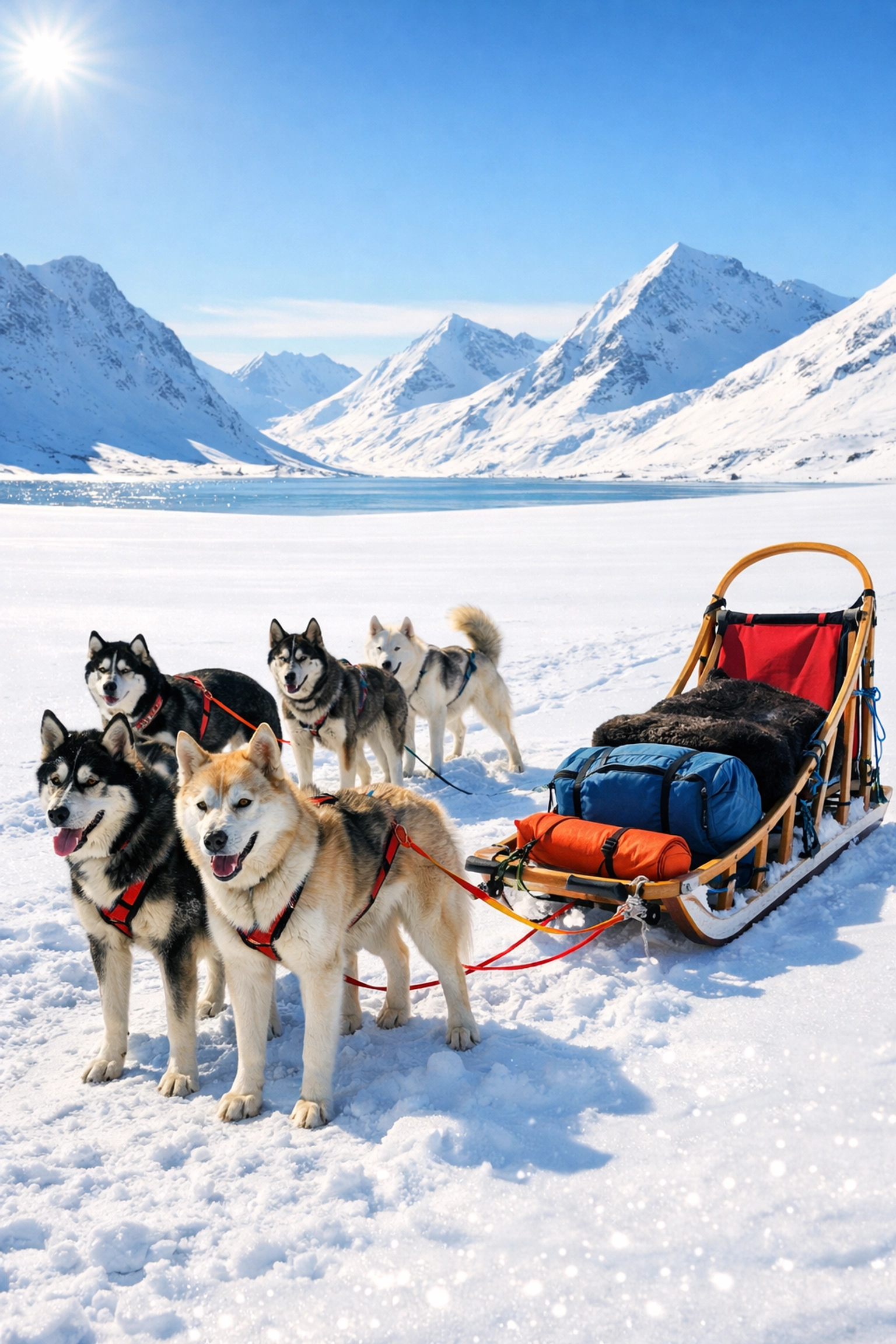
Finnish Lapland offers the full Arctic experience: ice hotels, husky sledding, and aurora safaris that take you deep into the wilderness where artificial light is a distant memory. The silence out there is profound, just you, the snow, and the glow above.
When to Go (And What to Expect)
Timing matters, and the good news is you have options depending on what kind of experience you’re after.
September and October offer milder weather and fewer crowds. The temperatures haven’t fully plunged yet, so you can explore more comfortably during the day. The trade-off? Shorter windows of total darkness, but still plenty of aurora opportunities.
February and March are the sweet spot for most travelers. You get a balance of daylight for activities, dog sledding, snowmobiling, exploring ice caves, and long, dark nights for aurora viewing. The cold is real but manageable with the right gear, and the landscapes are at their most stunning, blanketed in fresh snow.
November through January is for the aurora purists. These are the darkest months, offering the longest viewing windows. The sun barely peeks above the horizon (or doesn’t rise at all in the far north), which means your chances of seeing the lights increase dramatically. Just be prepared for serious cold and limited daylight activities.
No matter when you go, plan for at least four to five nights. Weather is unpredictable in the Arctic, and cloud cover is the single biggest obstacle to aurora viewing. You need time to work with the conditions, to wait for that perfect clear night when everything aligns.
The Experience Itself
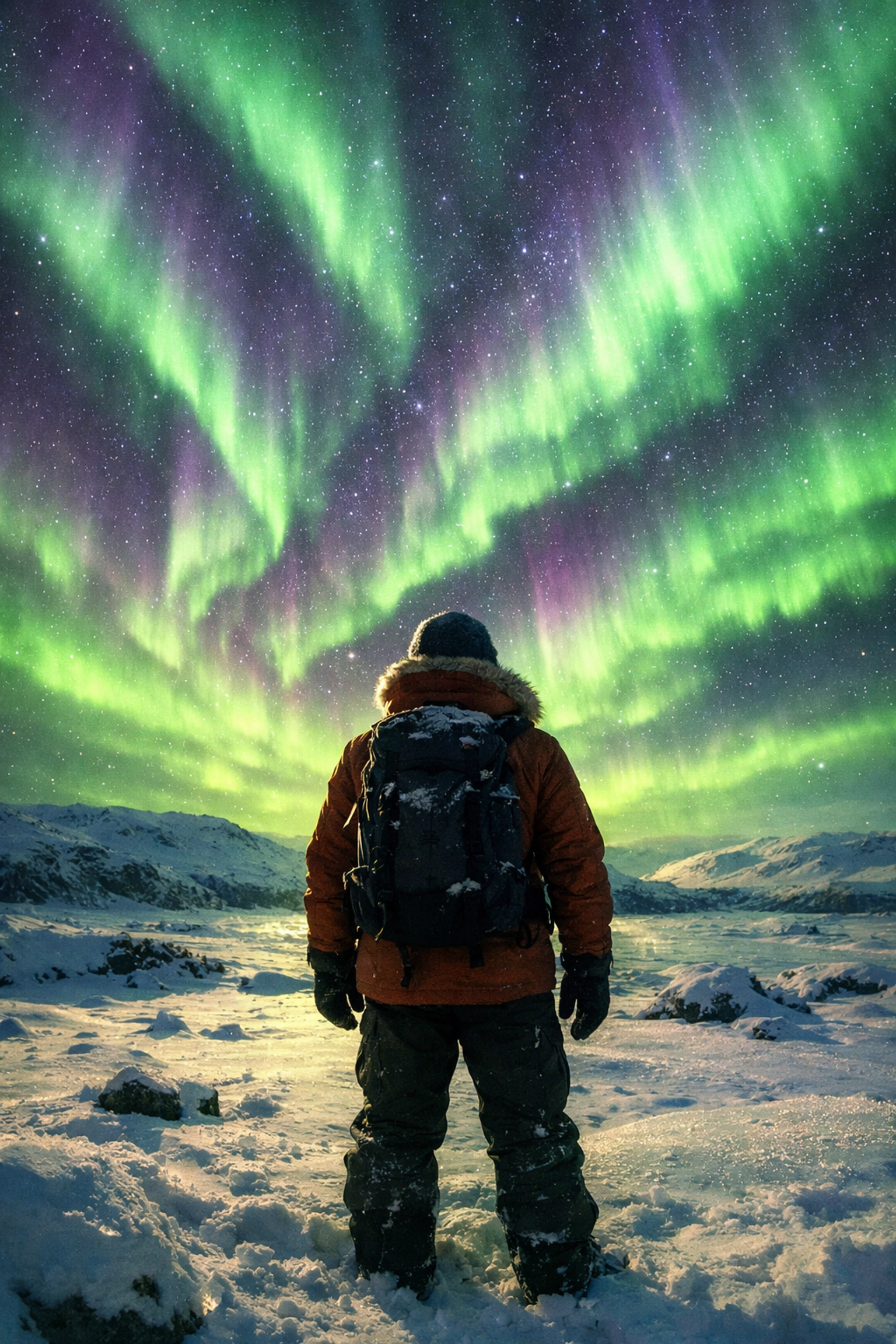
Here’s what people don’t tell you about the Northern Lights: they move. You’ve seen photos, everyone has, but photos can’t capture the way the aurora flows and shifts, the way it appears suddenly in one part of the sky and then spreads like spilled paint across the horizon. It’s silent, which somehow makes it more surreal. No soundtrack, no rumble of thunder. Just light, dancing.
The colors depend on solar activity and atmospheric conditions. Green is most common, caused by oxygen molecules colliding with solar particles. But during strong displays, you’ll see purples, reds, and blues weaving through the green. Sometimes the aurora looks like curtains swaying in an invisible breeze. Other times, it’s more like spotlights sweeping across a stage.
And the best viewing window? Between 10 p.m. and 2 a.m., when geomagnetic activity typically peaks. Yes, that means late nights in the cold. But trust me, you won’t notice. You’ll be too busy watching the sky put on a show that’s been happening for millennia, long before humans were around to witness it.
Why Let Java Travel USA Handle the Details
Here’s the reality: planning an Arctic adventure is complicated. You’re coordinating international flights, ground transfers, gear rentals, accommodation in remote locations, and trying to figure out which aurora forecast app is actually reliable (spoiler: there are too many). Then there’s the question of whether that glass igloo resort is actually worth it or just Instagram hype, and how to build in backup plans if the weather doesn’t cooperate.
This is where Java Travel USA steps in. We’re not just booking your flights and hotels, we’re curating your experience. We know which resorts offer the best aurora viewing without sacrificing comfort. We know when to book, how long to stay, and what activities to pair with your Northern Lights chase so your days are just as memorable as your nights.
We handle the logistics that stress people out: arranging transfers in countries where you don’t speak the language, booking multi-day itineraries that flow naturally, and making sure you’re not stuck in a hotel with terrible visibility because it was cheaper. We’ve built relationships with local operators, so you get insider access to experiences that aren’t on the big booking sites.
Think of it this way: you get to focus on the adventure. We make sure everything behind the adventure runs smoothly. No frantic googling at midnight. No “wait, did we book the right airport?” panic. Just you, the Arctic, and the lights.
What You’ll Need to Know
Pack smart. Layers are everything, thermal base layers, insulated mid-layers, waterproof outer layers. Don’t skimp on gloves, hats, and warm boots. You’ll be standing outside in sub-zero temperatures for extended periods, and cold fingers end photo sessions fast.
Manage expectations. The aurora is a natural phenomenon. Even during solar maximum, there are no guarantees. Some nights are spectacular. Other nights, clouds roll in. This is why planning multiple nights is crucial, it dramatically increases your odds.
Bring a camera (but don’t live behind it). Yes, get the shot. But also put the camera down and just watch. The aurora photographs beautifully, but the experience of witnessing it in real time is what you’ll remember.
Consider adding activities. Reindeer sledding, ice fishing, visiting Sami villages, soaking in geothermal pools: these experiences enrich your trip and give you things to do during daylight hours. The Northern Lights are the headliner, but the supporting cast is pretty incredible too.
The Window is Now
There’s something powerful about traveling for an experience that exists on nature’s timeline, not yours. The Northern Lights don’t wait for convenient vacation schedules or budget approvals. They’re happening now, at their brightest and most active, and the window is finite.
2026 is the year. Not because we’re trying to create urgency, but because the science is clear. After this, you’re waiting another decade for comparable displays. And honestly? A decade from now, you’ll wish you’d gone when you had the chance.
So let’s make it happen. Reach out to Java Travel USA, and let’s start building your Northern Lights adventure. We’ll handle the complicated parts: the bookings, the logistics, the local connections: so you can focus on standing under an Arctic sky, watching light paint the darkness in ways that don’t seem possible.
Because some experiences are worth chasing. And this one? It’s glowing right now, just waiting for you to look up.

 Java Travel USA
Leave a comment