
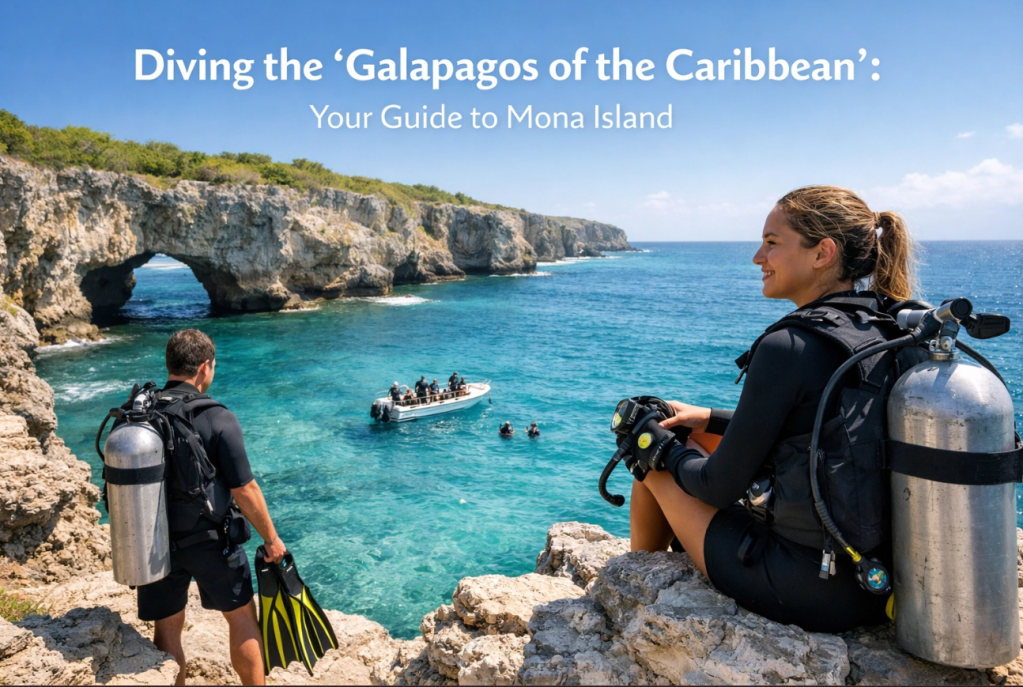
Some dive sites are nice. Some are bucket-list worthy. And then there’s Mona Island, a place so raw, so untouched, and so legendary that it’s earned the nickname “Galapagos of the Caribbean.” If you’re the kind of diver who chases big encounters, dramatic topography, and destinations that feel like genuine expeditions, this uninhabited island 50 miles off Puerto Rico’s western coast deserves a spot at the top of your list.
But here’s the thing: Mona isn’t easy. It’s not a hop-on-the-boat, entry-level weekend dive. This is an adventure for experienced divers who travel often, who crave something more than the standard Caribbean reef, and who are ready to trade convenience for something truly extraordinary.
Why Mona Island Earns Its Legendary Status
Mona Island is an ecological preserve, completely uninhabited, fiercely protected, and visited only by those willing to make the journey. There are no resorts, no beach bars, no easy access. The island exists in a state of pristine wildness that’s increasingly rare in the Caribbean, and that’s exactly what makes it magical.
The comparison to the Galapagos isn’t just marketing hype. Like its Pacific counterpart, Mona is a natural laboratory of biodiversity. Giant iguanas roam the island’s interior. Seabirds nest undisturbed on coastal cliffs. And beneath the surface, you’ll find an ecosystem so vibrant and diverse that it feels like stepping into a nature documentary.
The remoteness ensures that diver traffic remains minimal, which means healthier reefs, bolder marine life, and visibility that regularly stretches beyond 150 feet. When you drop into Mona’s waters, you’re not sharing the experience with dozens of other divers. You’re exploring a place that still feels wild, untamed, and remarkably yours.
The Underwater Experience: Cliff Diving in Paradise
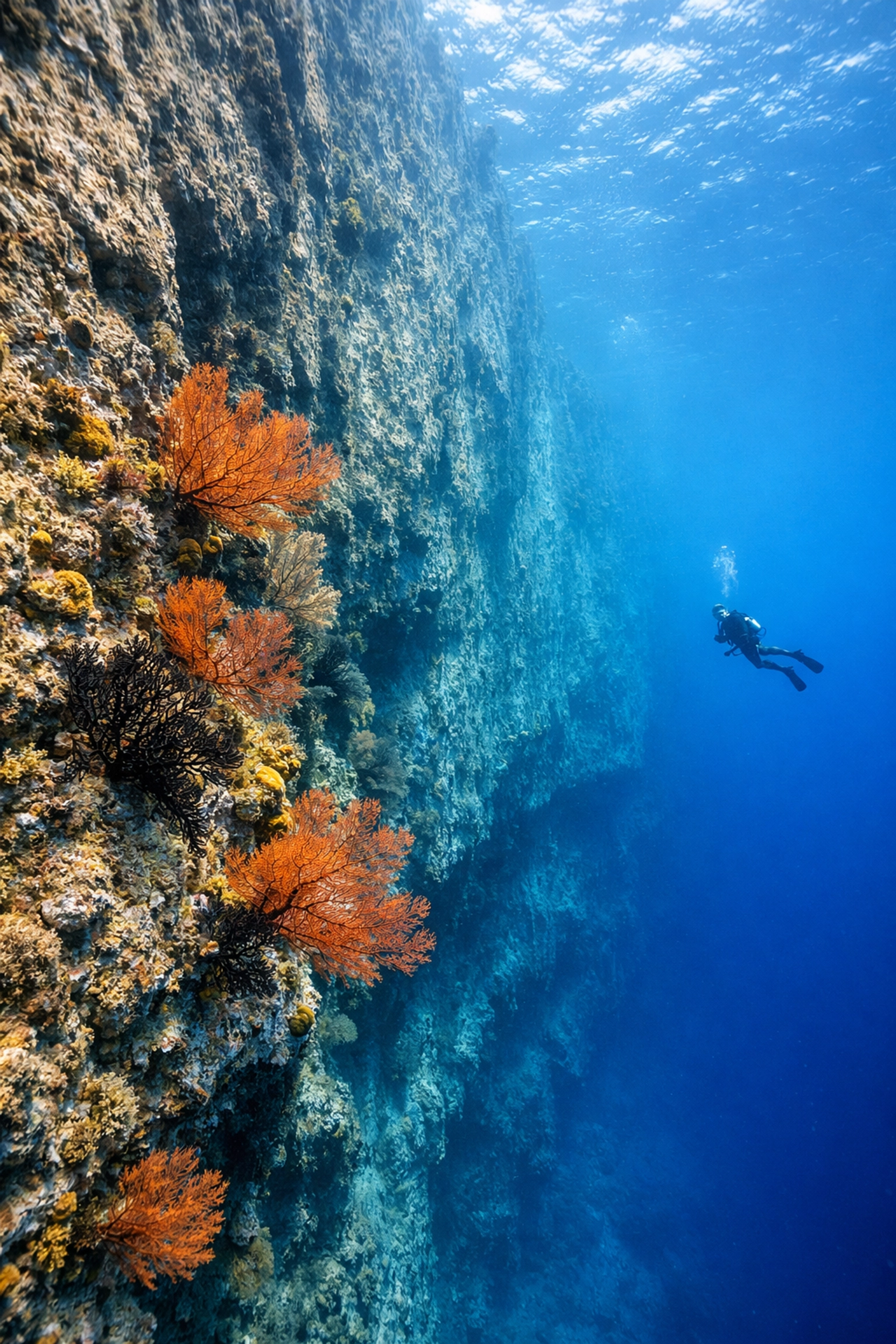
Forget gentle slopes and easy swim-throughs. Mona Island diving is what locals call “cliff diving”, sheer rock walls that plunge from above the waterline straight down into the deep blue, massive boulders the size of mansions tumbling across the ocean floor, and limestone caves carved by millennia of wave action.
The topography alone is breathtaking. You’ll navigate swim-throughs framed by massive Gorgonian sea fans swaying in the current, explore caverns where sunlight filters through cracks in the ceiling, and drift along walls decorated with black corals and sponges in every imaginable color. Sites like the Isthmus and Boqueron Reef showcase this dramatic landscape at its finest, with formations so grand they demand a slow, appreciative approach.
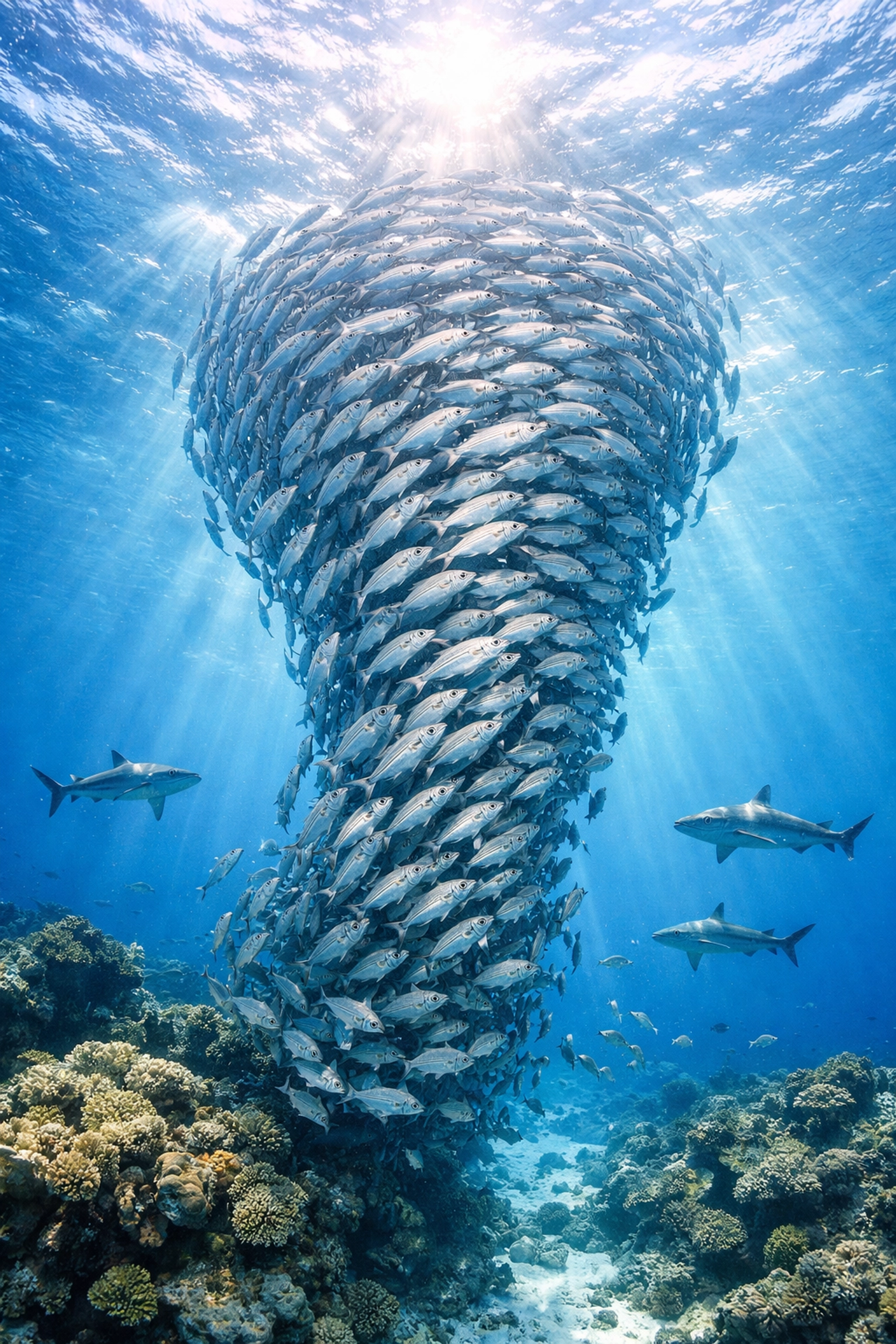
And then there’s the marine life. Mona sits in deep water with strong currents funneling nutrients through the passage, creating a feeding ground for pelagics that would make any diver’s heart race. Sharks patrol the walls. Schools of horse-eye jacks swirl in formations so dense they block out the sun. Ocean triggerfish gather in numbers that seem impossible. Dolphins occasionally cruise by, curious and playful.
During winter months, humpback whales migrate through the Mona Passage, and if you’re lucky, you’ll hear their haunting songs reverberating through the water as you dive. Some lucky groups have even witnessed breaching whales from the boat between dives, a spectacular bonus to an already extraordinary trip.
Sea turtles, including the massive leatherbacks, glide through the blue. Reef life thrives in abundance. And because the diving happens in such pristine conditions with minimal human impact, the fish here behave differently, bolder, more curious, less skittish. They haven’t learned to fear divers yet.
When to Go and What to Expect
The diving season at Mona runs from December through May, when conditions are most favorable and humpback whales are passing through. Water temperatures during these months can dip into the high 70s Fahrenheit, so a 5mm wetsuit is a smart call, especially on those deep wall dives where thermoclines can surprise you.
But let’s be real about the conditions: Mona is not a gentle introduction to Caribbean diving. The surface conditions can be rough, with swells reaching 8-9 feet. Strong currents are the norm, not the exception. You’ll need solid buoyancy control, confidence in deep water, and excellent boat entry and exit skills. This is intermediate to advanced territory, and that’s not just a suggestion, it’s a safety requirement.
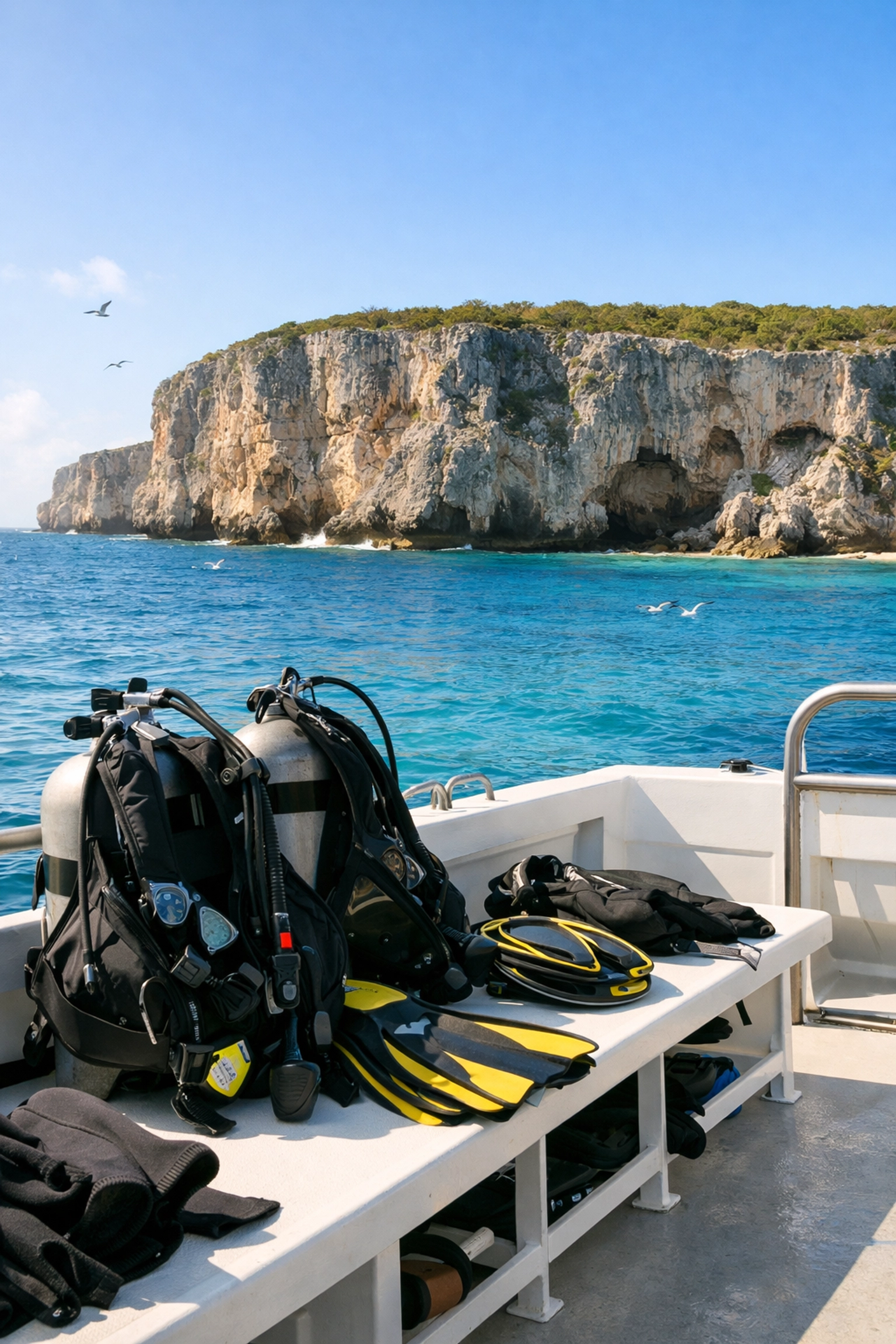
The journey itself is part of the adventure. Getting to Mona typically involves a 5-6 hour boat ride from Puerto Rico’s western coast, often in choppy seas. Live-aboard dive boats are the only practical option, which means multi-day trips where you wake up already on-site, ready to dive without the daily transit grind. It’s immersive, efficient, and the only way to truly experience Mona’s full potential.
You’ll spend your surface intervals on deck, watching the coastline of this mysterious island, spotting giant iguanas on the shore, and swapping stories with fellow divers who, like you, have made the journey because they wanted something more than the ordinary.
The Logistics Challenge (And How We Help)
Here’s where things get interesting. Mona Island is remote, protected, and logistically complex. You can’t just show up and dive. There are permits to arrange, limited live-aboard operators who run trips there, weather windows to consider, and detailed planning required to make it all come together smoothly.
This is exactly where Java Travel USA steps in. We specialize in handling the complex logistics that turn dream dive destinations into reality, especially for experienced divers who want to focus on the adventure, not the paperwork and coordination headaches.
We’ll connect you with reputable live-aboard operators who know Mona’s waters intimately, help coordinate your trip timing to align with optimal conditions and whale migrations, handle the permit logistics and pre-trip requirements, and make sure you’re properly prepared for what to expect. Whether you’re traveling solo as a Free Independent Traveler or bringing a group of dive buddies (which we highly recommend for a trip like this), we’ll build an itinerary that maximizes your time underwater while ensuring safety and comfort.
If you’ve been eyeing Mona Island but weren’t sure how to make it happen, that’s literally what we’re here for. Check out our guide to group scuba diving trips to see how we coordinate these kinds of adventures, or just reach out and let’s start planning.
Is Mona Island Right for You?
If you’re reading this and thinking, “That sounds intense but amazing,” then yes: Mona is probably right for you. This destination rewards preparation, experience, and a genuine love for wild places.
You should have solid deep diving experience under your belt, comfort in strong currents and rough surface conditions, advanced or higher certification (though highly experienced Adventure Divers with the right skills can succeed here too), and most importantly, a mindset that embraces adventure over ease.
This isn’t a resort dive where everything is handed to you. It’s an expedition to one of the Caribbean’s last true wilderness dive sites: a place that demands respect and rewards boldness with encounters and experiences you’ll remember for the rest of your diving life.
Ready to Dive the Galapagos of the Caribbean?
Mona Island isn’t going to be everyone’s cup of tea, and that’s exactly what keeps it special. But if you’re an experienced diver who’s ready for something legendary, something truly off the beaten path, this is your invitation.
The walls are waiting. The whales are singing. The currents are flowing with life and color and wild beauty. And Java Travel USA is here to handle the logistics so you can focus on what matters: dropping into those crystal-clear waters and experiencing one of the Caribbean’s most extraordinary dive destinations.
Let’s make it happen. Reach out, tell us when you’re thinking of going, and we’ll turn this bucket-list dream into your next big adventure. Because some places are worth the journey: and Mona Island is absolutely one of them.

 Java Travel USA
Leave a comment