

The underwater world is calling, and it’s speaking in the language of technology. As we cruise into 2026, the diving landscape has transformed into something that would make Jacques Cousteau’s jaw drop. Gone are the days when a simple depth gauge and dive tables were all you needed: today’s tech-savvy divers are equipped with AI-powered computers, underwater drones, and gadgets that turn every dive into a high-tech adventure.
Whether you’re planning your first tech-enhanced dive trip or you’re a gadget enthusiast ready to upgrade your underwater arsenal, this guide will help you navigate the exciting world of diving technology and discover where to put it all to the best use.
AI Dive Computers: Your Underwater Brain Trust
Think of modern AI dive computers as your personal diving assistant that never gets nitrogen narcosis. These smart devices go way beyond calculating no-decompression limits: they’re analyzing your breathing patterns, predicting your air consumption, and even learning your diving style to make personalized recommendations.
The Shearwater Perdix AI has become the gold standard for tech divers, offering robust construction and advanced AI features that provide detailed dive data and seamless gas integration. Meanwhile, the Garmin Descent Mk2i appeals to multi-sport enthusiasts who want their dive computer to double as a smartwatch, tracking everything from your morning run to your afternoon dive.
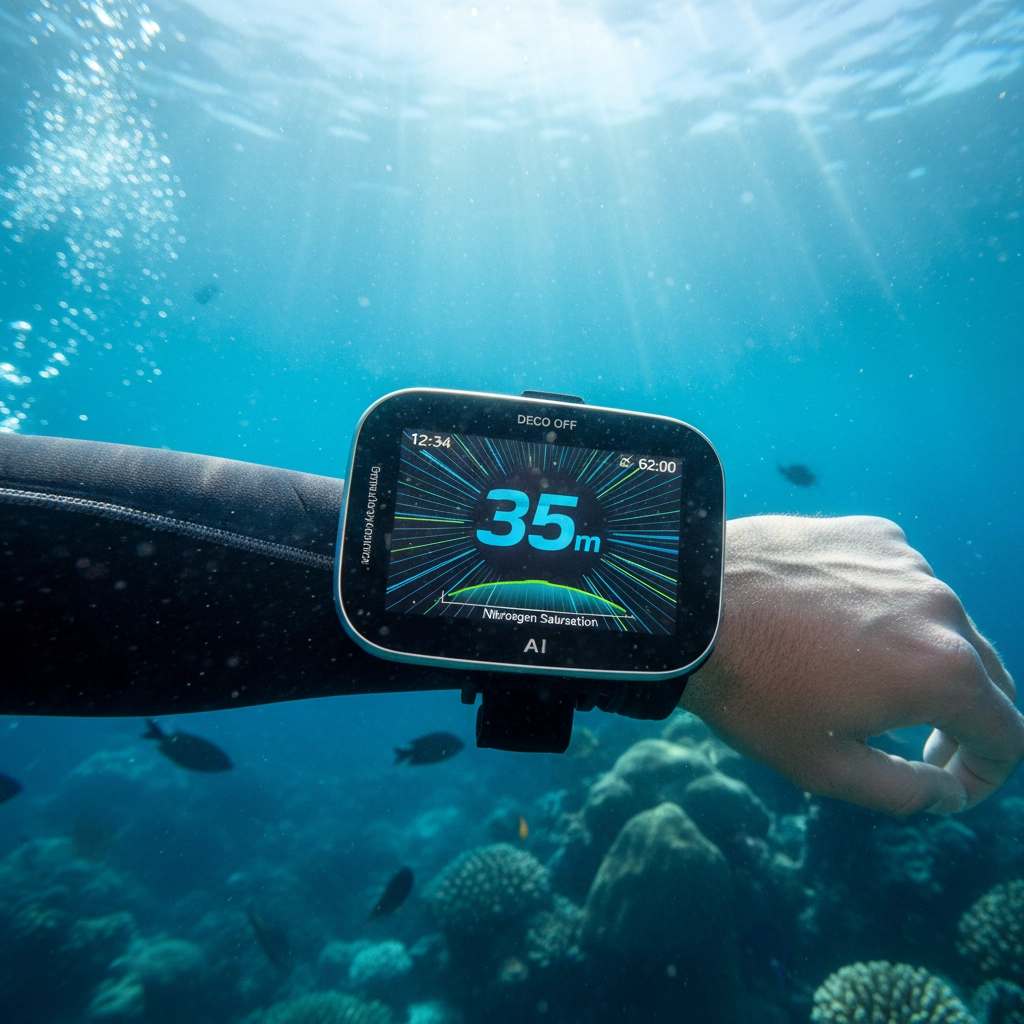
What makes these AI systems game-changing is their air integration technology. When you sync your dive log to your phone via Bluetooth, you automatically get a complete record of your gas consumption, including start and end pressures. Over multiple dives, you can track improvements in your breathing efficiency without manually crunching numbers: the AI does it all for you.
Modern dive computers also provide significantly more bottom time than traditional dive tables by continuously readjusting calculations as you ascend. They include safety stop countdowns and detailed decompression steps if needed, making every dive safer and more enjoyable.
Underwater Drones: Your Aquatic Scouts
Here’s where things get really exciting. Underwater drones: both ROVs (Remotely Operated Vehicles) and AUVs (Autonomous Underwater Vehicles): are revolutionizing how we explore beneath the surface. These high-tech explorers can venture deeper and stay submerged longer than any human diver, equipped with HD cameras and sophisticated navigation systems.
The key difference? ROVs connect to your boat via cables, giving you real-time control and live video feed. AUVs, on the other hand, can be programmed and dropped at a location, then retrieved later with all their recorded data. Both options let you scout dive sites beforehand, identify potential hazards, and discover the best spots for marine life encounters.
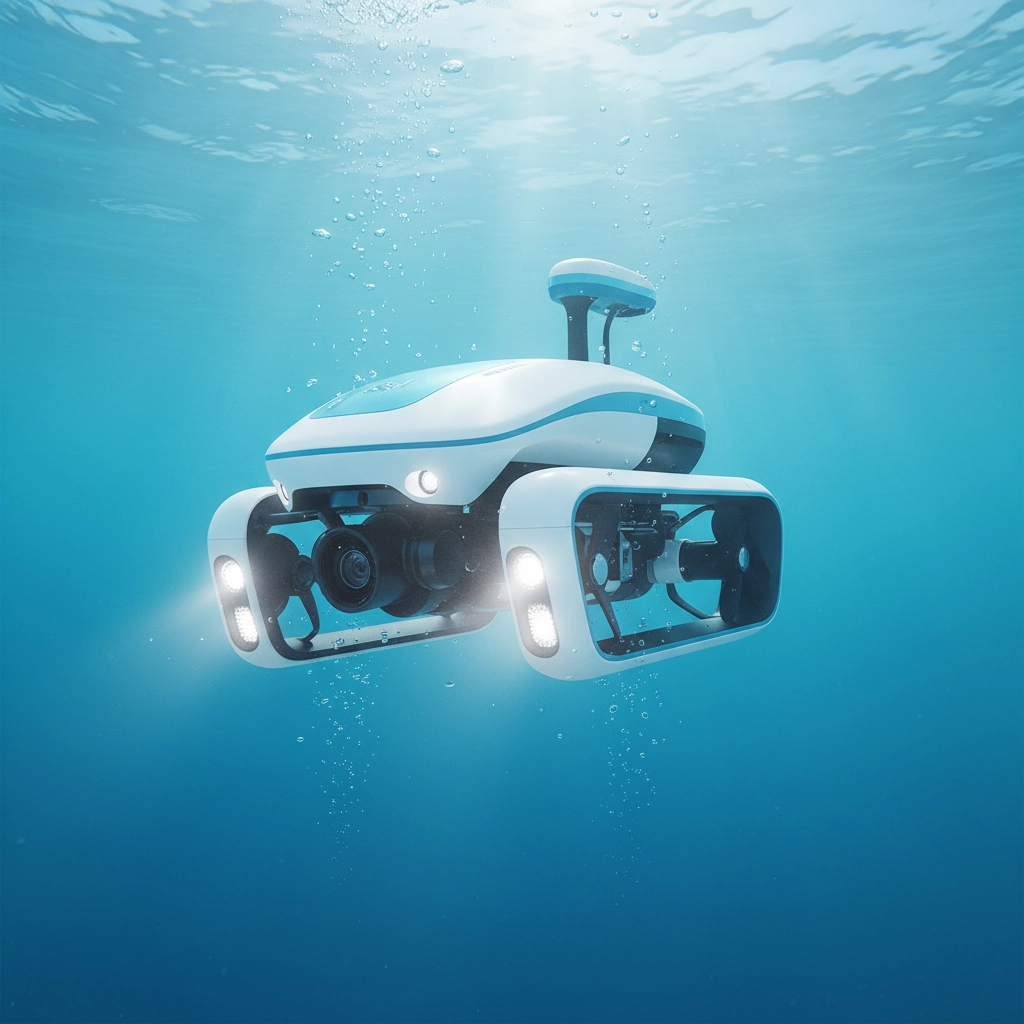
Imagine arriving at a new dive destination and sending your drone down first to map the reef, locate that famous wreck, or find the cleaning stations where manta rays gather. You’ll maximize your actual dive time by knowing exactly where to go and what to expect.
The Future is Now: Emerging Tech That’s Changing Everything
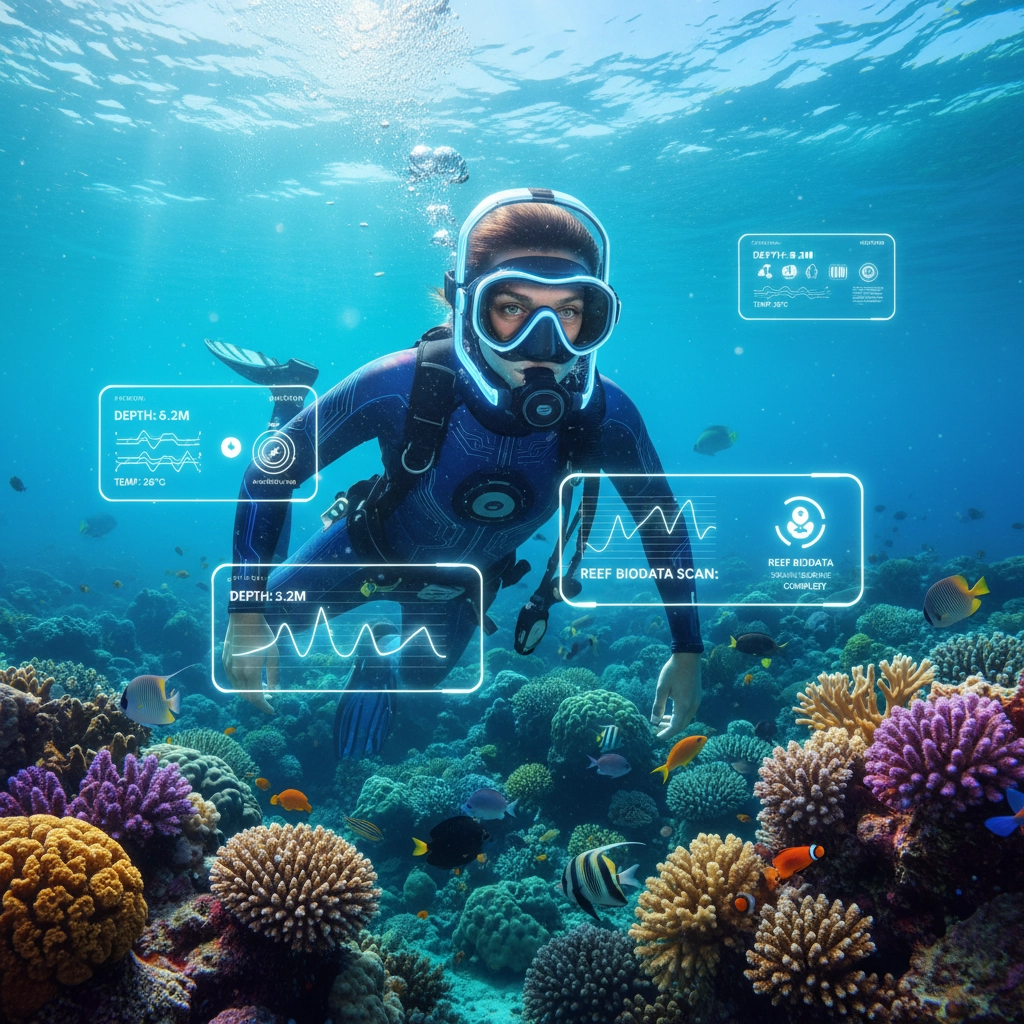
Augmented Reality Diving Masks are no longer science fiction. Picture this: you’re swimming alongside a whale shark when your mask displays real-time information about the creature’s species, age, and migration patterns. These AR systems also enable underwater communication: sending text messages that appear in your dive buddy’s mask and displaying all your dive data directly in your field of vision.
The Internet of Underwater Things (IoUT) creates networks of smart devices that exchange data beneath the waves. Your dive computer can now communicate with underwater sensors, drones, and even other divers’ equipment. This means access to real-time data about water temperature, currents, and marine life activity that can inform your dive decisions and enhance safety.
Machine learning algorithms are also making waves in marine life identification. Simply photograph the creatures you encounter, and AI systems can automatically identify species and contribute your sightings to marine biodiversity databases. You’re not just diving: you’re contributing to ocean science.
Where to Put Your Tech to Work: 2026’s Hottest Destinations
Not all dive destinations are created equal when it comes to supporting high-tech diving. Here’s where your gadgets will truly shine:
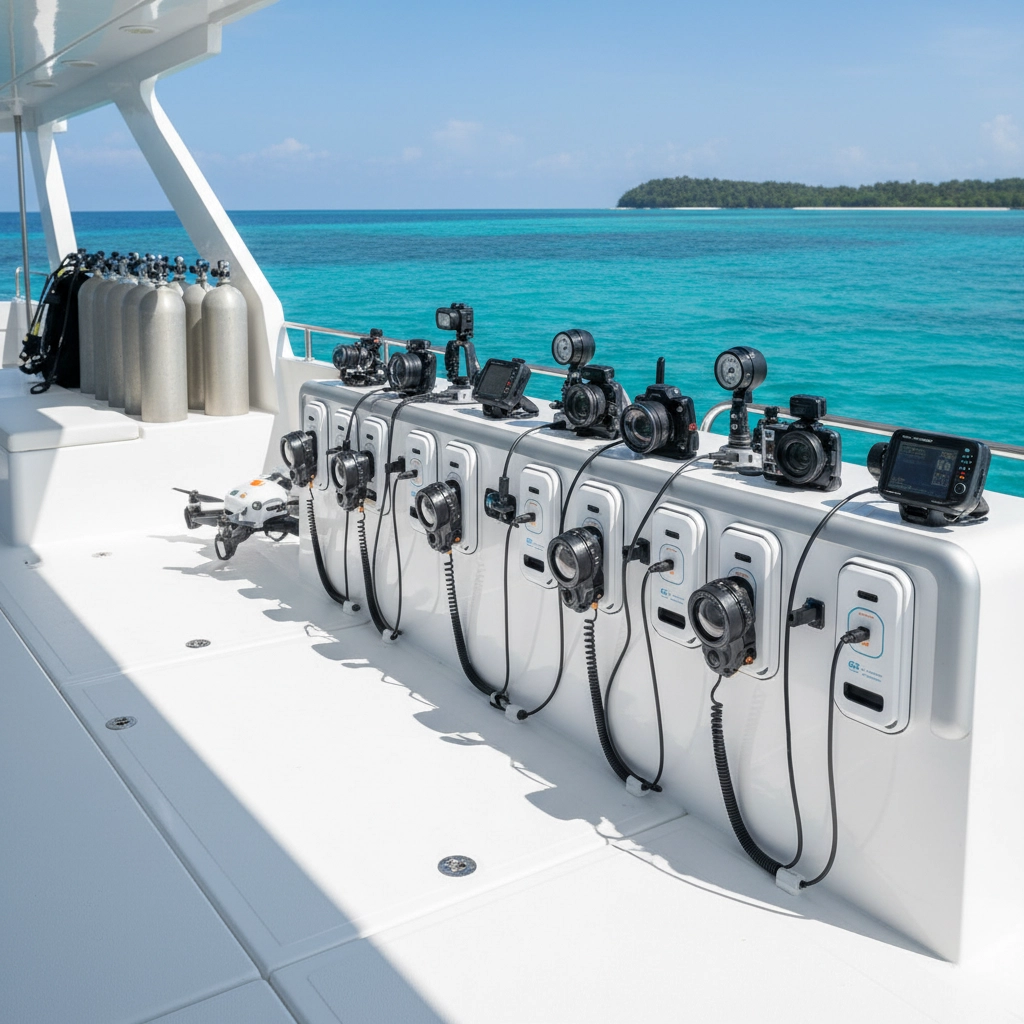
Maldives: The crystal-clear waters and abundant marine life make this an ideal testing ground for underwater photography drones and AR masks. Many resorts now offer dedicated tech-diving packages with equipment charging stations and WiFi networks optimized for uploading dive data.
Raja Ampat, Indonesia: Known as the crown jewel of marine biodiversity, this remote location is perfect for deploying machine learning identification systems. The incredible variety of species means your AI systems will get a serious workout cataloging everything from pygmy seahorses to walking sharks.
Red Sea, Egypt: The excellent visibility and dramatic underwater topography make this a drone pilot’s paradise. Many liveaboards now cater specifically to tech divers, offering drone launch platforms and equipment storage areas.
Galápagos Islands: The unique marine environment and ongoing research programs make this destination ideal for contributing to citizen science projects with your tech gear. Several dive operators now partner with research institutions to integrate visitor data into ongoing studies.

Planning Your Tech-Enhanced Adventure
When booking your 2026 tech diving trip, look for operators and resorts that specifically cater to high-tech divers. Key features to seek include:
Equipment Support: Charging facilities for multiple devices, equipment drying areas with proper ventilation, and staff trained in troubleshooting modern dive computers and AI systems.
Connectivity: Reliable WiFi for syncing dive logs and uploading data, plus cellular coverage for emergency communications and real-time weather updates.
Flexibility: Dive operators who understand that tech divers may want to spend extra time at sites for data collection or equipment testing, and who allow ROV and drone usage for pre-dive surveys.
Many destinations are also embracing sustainable diving technology. Look for operators using eco-friendly gear made from recycled materials and supporting marine conservation research where your technology can contribute valuable data.
Making the Most of Your Investment
The beauty of tech-enhanced diving lies not just in the gadgets themselves, but in how they transform your underwater experience. Start with one or two key pieces of technology: perhaps an AI dive computer and underwater camera drone: then gradually build your tech arsenal as you become more comfortable with each system.
Consider joining online communities of tech divers who share tips, troubleshooting advice, and destination recommendations. Many manufacturers also offer training courses and certification programs that can help you maximize your equipment’s potential.
The convergence of artificial intelligence, robotics, and sustainable materials is creating unprecedented opportunities for divers to explore more safely, document more effectively, and contribute meaningfully to marine conservation efforts. As we move through 2026, the line between recreational diving and scientific research continues to blur, empowering every diver to become both explorer and citizen scientist.
Your next underwater adventure awaits: and with the right technology in tow, it’s going to be unlike anything you’ve experienced before. The ocean’s mysteries are calling, and you’ll have the tools to answer back in ways that would have seemed impossible just a few years ago.
 Java Travel USA
Leave a comment