

In Japan, time moves like poetry. Each season unfolds with its own palette of colors, symphony of sounds, and constellation of traditions that transform the entire archipelago into a living, breathing work of art. Understanding Japan seasons isn’t just about checking the weather: it’s about syncing your heart with a culture that celebrates nature’s rhythm like nowhere else on earth.
Choosing the best time to visit Japan depends on what calls to your soul: the ethereal pink clouds of spring’s cherry blossoms, summer’s thunderous festivals echoing through ancient streets, autumn’s fiery tapestry painting mountainsides, or winter’s hushed white blanket that turns hot springs into steaming sanctuaries.
Spring: When Dreams Take Root (March–May)
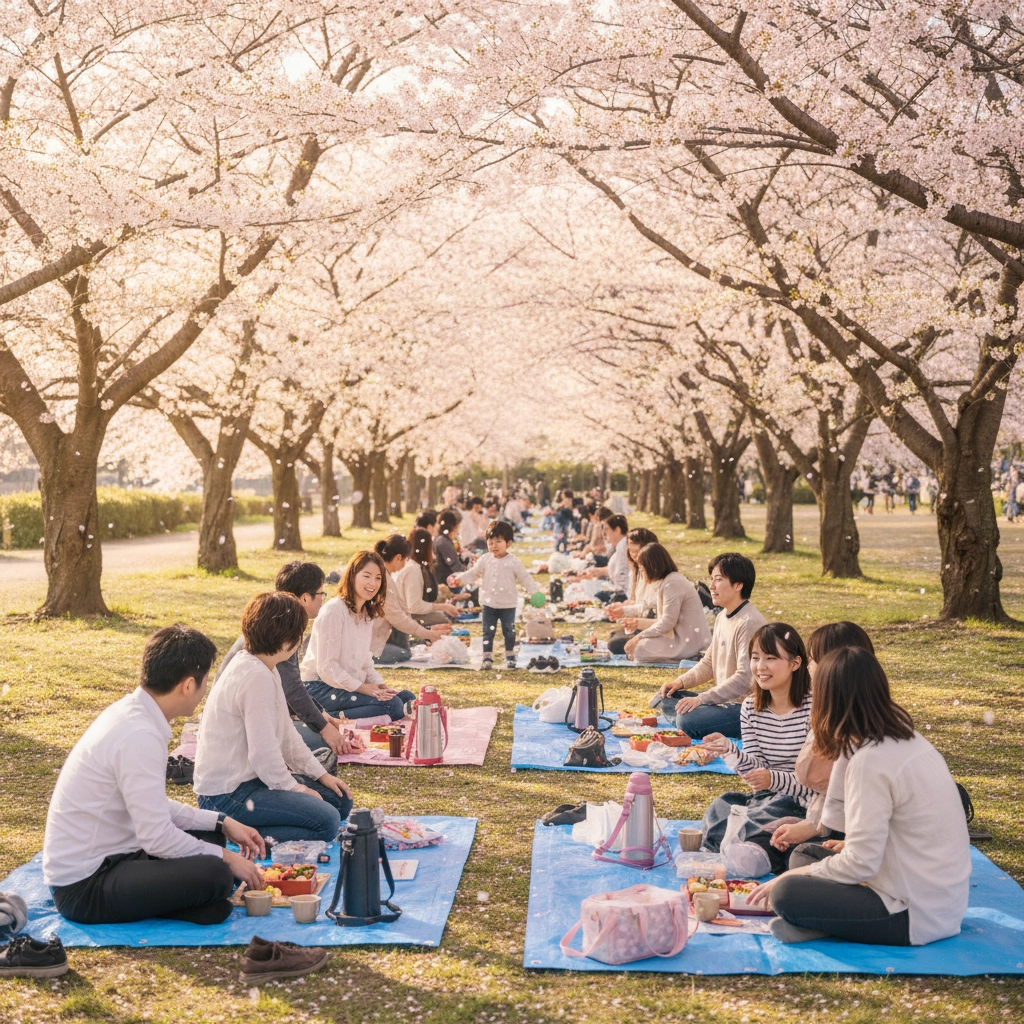
Spring whispers its arrival through the Japan cherry blossoms that have captivated hearts for centuries. The air carries a sweetness you can almost taste: part floral perfume, part promise of renewal. As temperatures dance between 5°C and 20°C, you’ll find yourself layering morning sweaters that give way to afternoon t-shirts, each day a small adventure in dressing for Japan’s mercurial spring moods.
The Poetry of Sakura Season
When the cherry blossoms bloom, Japan transforms into something almost otherworldly. In Tokyo’s Ueno Park, the sound of laughter mingles with the soft rustle of petals falling like snow. Families spread blue tarps beneath the trees for hanami picnics, sharing homemade onigiri and sake while children chase petals in the dappled sunlight. The scent of grilled yakitori drifts through the air as vendors set up stalls between the flowering trees.
Kyoto’s Maruyama Park becomes a theatrical stage where geishas move like living artwork among the blossoms, their silk kimonos echoing the pink and white above. The philosophical path (Tetsugaku-no-michi) offers a quieter communion with spring: a contemplative walk where petals carpet the canal and you can hear the gentle splash of koi breaking the surface.
Beyond the Famous Blooms
While everyone chases the cherry blossoms, seasonal travel Japan reveals other spring secrets. Wisteria cascades in purple waterfalls at Kawachi Fuji Garden in Fukuoka, creating tunnels of fragrance so intense it feels like walking through perfume. The Japan Alps awaken with alpine flowers carpeting meadows in Kamikochi, where the morning air is so crisp it makes your lungs sing.
Summer: Fire and Festival (June–August)
Summer arrives with the weight of humidity and the thunder of taiko drums. The Japan seasons show their dramatic side as temperatures soar beyond 30°C, but this intensity births some of the country’s most spectacular cultural expressions. The air shimmers with heat waves and cicada songs that crescendo into a natural orchestra by evening.
Festival Fire and Ancient Rhythms
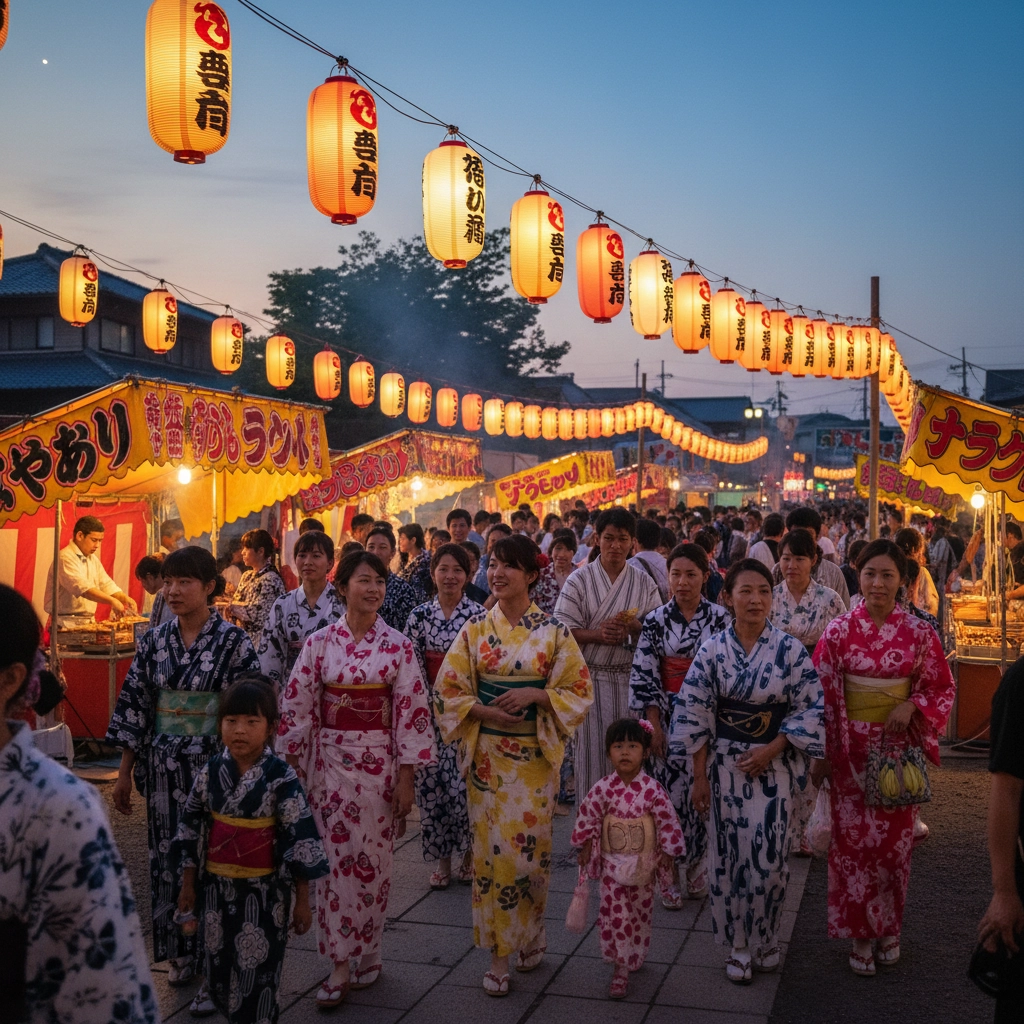
Kyoto’s Gion Matsuri fills July nights with the creak of massive wooden floats rolling through narrow streets, their paper lanterns casting dancing shadows on traditional shopfronts. The festival’s ancient rhythms pulse through the humid air: the slow, hypnotic call of the wooden bells, the shuffle of straw sandals on stone, the murmur of crowds gathering to witness traditions older than most countries.
In Aomori, the Nebuta Festival explodes in early August with giant illuminated floats depicting warriors and mythical creatures. The air electrifies with energy as thousands of dancers in white clothing leap and shout “Rassera! Rassera!” while the floats glow like moving mountains of light against the summer darkness.
Escape to Cool Sanctuaries
When the heat becomes overwhelming, Hokkaido’s lavender fields in Furano offer purple-scented relief. The sight of endless lavender rows stretching toward distant mountains, combined with the cooling mountain breeze, creates a sensory balm that soothes the soul. Meanwhile, Okinawa’s crystal-clear waters provide the perfect antidote to summer’s intensity, where coral reefs create underwater gardens and pristine beaches stretch like sugar-white dreams.
Autumn: Nature’s Grand Finale (September–November)
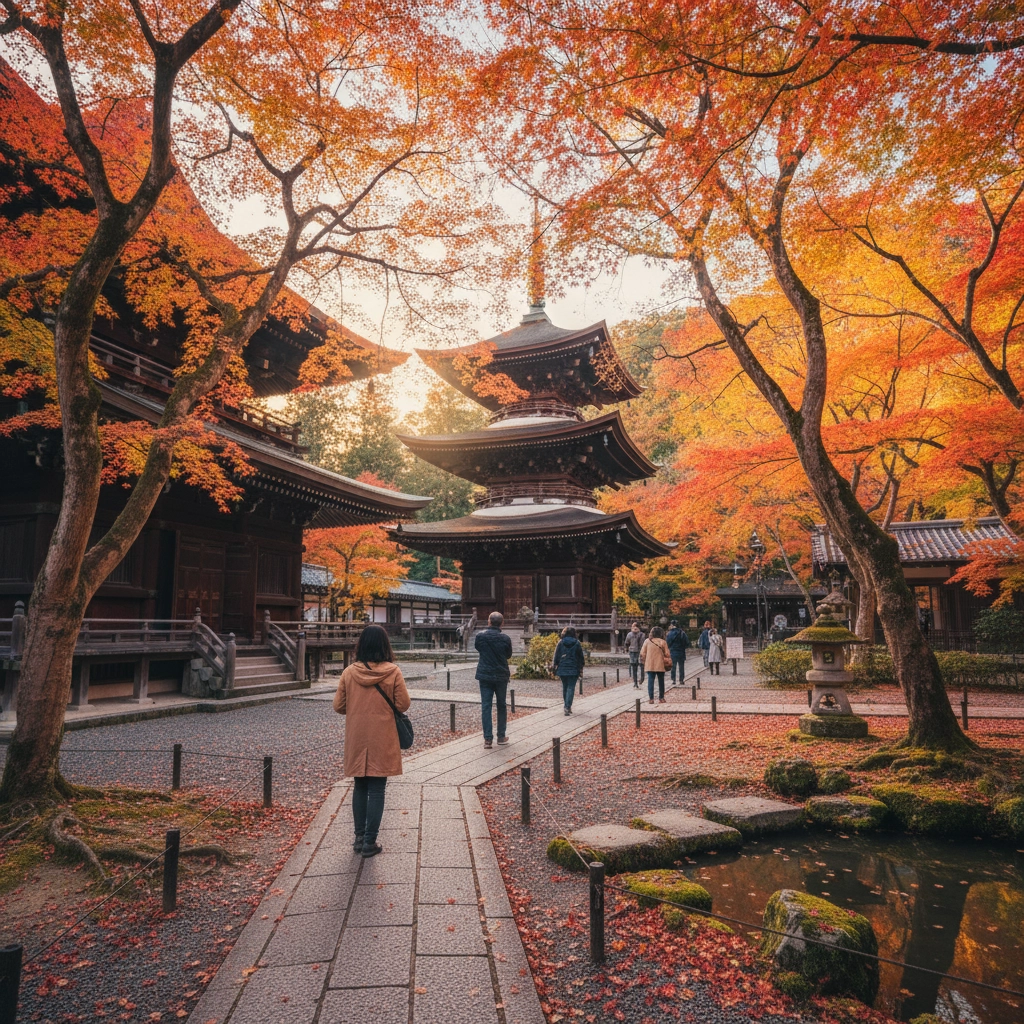
If spring is Japan’s gentle awakening, autumn is its grand opera. The Japan autumn leaves (called koyo) paint the landscape in impossible reds, golds, and oranges that seem almost too vibrant to be real. Temperatures settle into perfect ranges: crisp mornings around 10°C warming to comfortable 20°C afternoons that make you want to walk forever.
The Maple Leaf Symphony
Kyoto’s temples become theaters for autumn’s performance. At Kiyomizu-dera, the wooden stage overlooooks a sea of maples that glow like lanterns against the evening sky. The sound of wooden sandals on temple floors mingles with the soft rustle of falling leaves. Arashiyama’s bamboo groves create a different kind of beauty: green stalks stretching skyward while red maples peek through like flames.
The journey to see autumn leaves becomes as rewarding as the destination. Train rides through mountain valleys reveal landscapes so stunning they stop conversations mid-sentence. In Nikko, the Irohazaka winding road climbs through forests that shift from green to gold to scarlet as you ascend, each turn revealing another postcard-perfect vista.
Seasonal Flavors and Quiet Moments
Autumn tastes of roasted chestnuts sold by street vendors, their nutty aroma mixing with woodsmoke from temple incense. Sweet potatoes roasted in mobile ovens fill neighborhood streets with their earthy perfume, while persimmons hang like orange lanterns from bare branches. The air carries a crispness that makes hot tea taste more essential, more comforting.
Winter: The Season of Quietude (December–February)
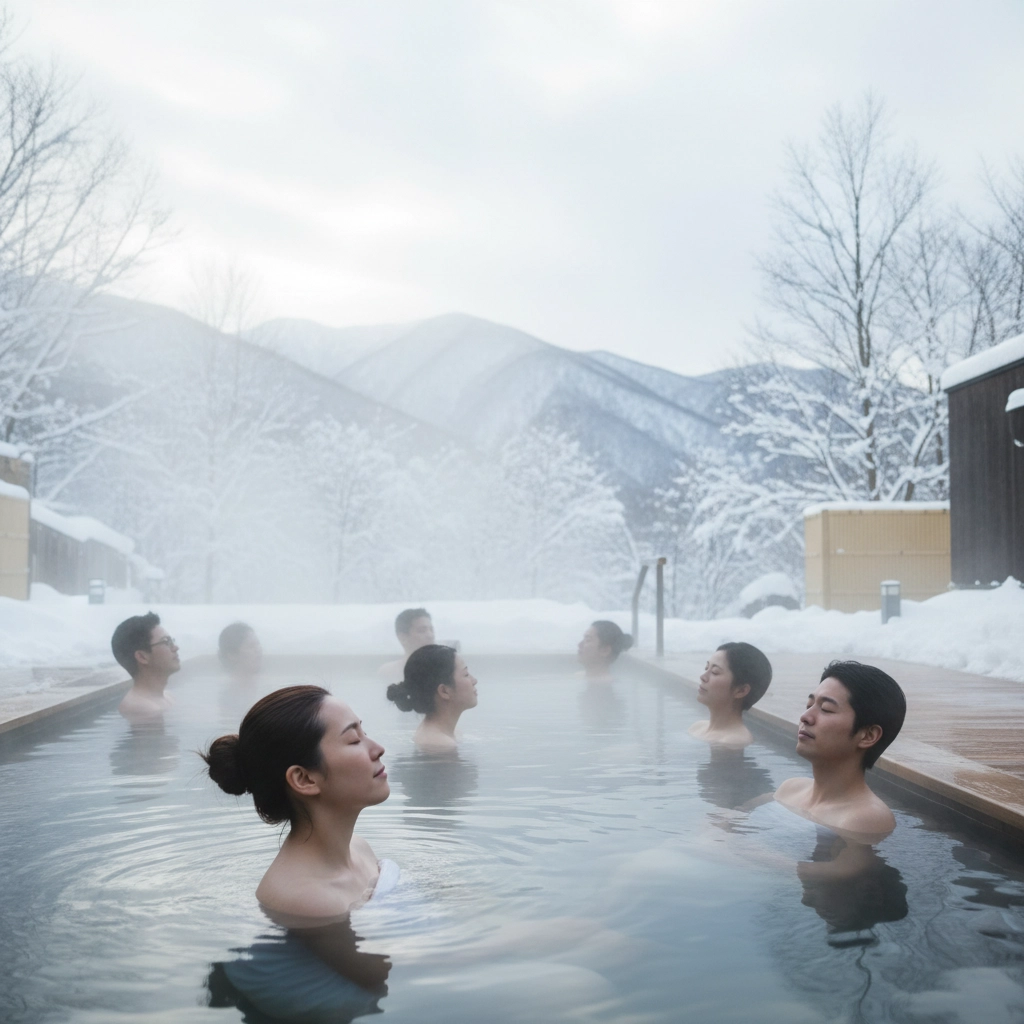
Winter wraps Japan in contemplative silence. Snow muffles sound in mountain villages while hot spring vapors rise like incense in the cold air. This season reveals Japan’s more introspective soul: temple bells ring clearer in the thin air, garden stones emerge from snow like meditation subjects, and the simple act of warming your hands around a cup of hot sake becomes a small ceremony.
Powder Dreams and Thermal Bliss
Hokkaido transforms into a winter wonderland where powder snow falls so perfectly it seems choreographed. Niseko and Rusutsu offer skiing conditions that approach the mythical: dry, light snow that whispers beneath your skis and mountains that disappear into white sky. The Sapporo Snow Festival turns the city into an outdoor sculpture gallery, with ice artists creating castles and creatures that glow under colored lights.
But winter’s true magic lies in the onsen (hot springs) scattered across snowy landscapes. Imagine soaking in naturally heated waters while snowflakes melt on your shoulders, the contrast between hot water and cold air creating an almost mystical experience. Kusatsu, Hakone, and Yufuin each offer this winter alchemy: the perfect fusion of elements that makes you understand why bathing is considered an art form in Japan.
Cultural Depths in Cold Months
Winter strips away summer’s distractions, revealing cultural experiences in their purest form. Temple visits become meditative journeys through snow-covered grounds where every footstep feels intentional. The New Year period (shogatsu) fills shrines with families making wishes for the coming year, their breath visible in the cold air as they clap and bow before ancient altars.
Your Perfect Season: A Travel Concierge’s Guide
The best time to visit Japan isn’t universal: it’s deeply personal. Our travel concierge expertise reveals that timing your visit requires matching Japan’s seasonal offerings with your travel dreams:
For Cherry Blossom Chasers: Late March to early April offers peak blooms in Tokyo and Kyoto, but booking accommodations six months in advance becomes essential. Consider extending north to catch later blooms in Hirosaki (late April) for fewer crowds.
For Autumn Leaf Enthusiasts: November provides the most reliable foliage in Kyoto and Tokyo, but October visits to mountain areas like Nikko and Kamikochi offer spectacular colors with better weather for hiking.
For Festival Devotees: Summer’s heat is worth enduring for Japan’s most spectacular festivals, but booking accommodations during Gion Matsuri or major festivals requires strategic planning months ahead.
For Winter Sports and Hot Springs: January through March offers the best snow conditions and most accessible onsen experiences, with February providing the perfect balance of snow activities and cultural events.
Planning Your Seasonal Japanese Journey
Each season in Japan offers not just different weather, but entirely different experiences: different foods, festivals, landscapes, and even different aspects of Japanese culture that emerge with the changing months. The key to seasonal travel Japan lies in embracing rather than fighting the season you choose.
Spring rewards those who seek beauty and renewal. Summer challenges you with intensity but repays with authentic cultural immersion. Autumn offers the perfect balance of comfort and spectacle. Winter invites contemplation and the unique pleasure of contrasts: cold air and warm baths, quiet snow and crackling fires.
At Java Travel USA, we specialize in crafting seasonal Japanese journeys that capture the essence of your chosen time. Whether you’re dreaming of cherry blossoms or autumn leaves, festival fires or winter snow, we’ll help you discover not just when to go, but how to experience Japan’s seasons like a poet rather than a tourist. Contact us today to begin planning your perfectly timed Japanese adventure.

 Java Travel USA
Leave a comment